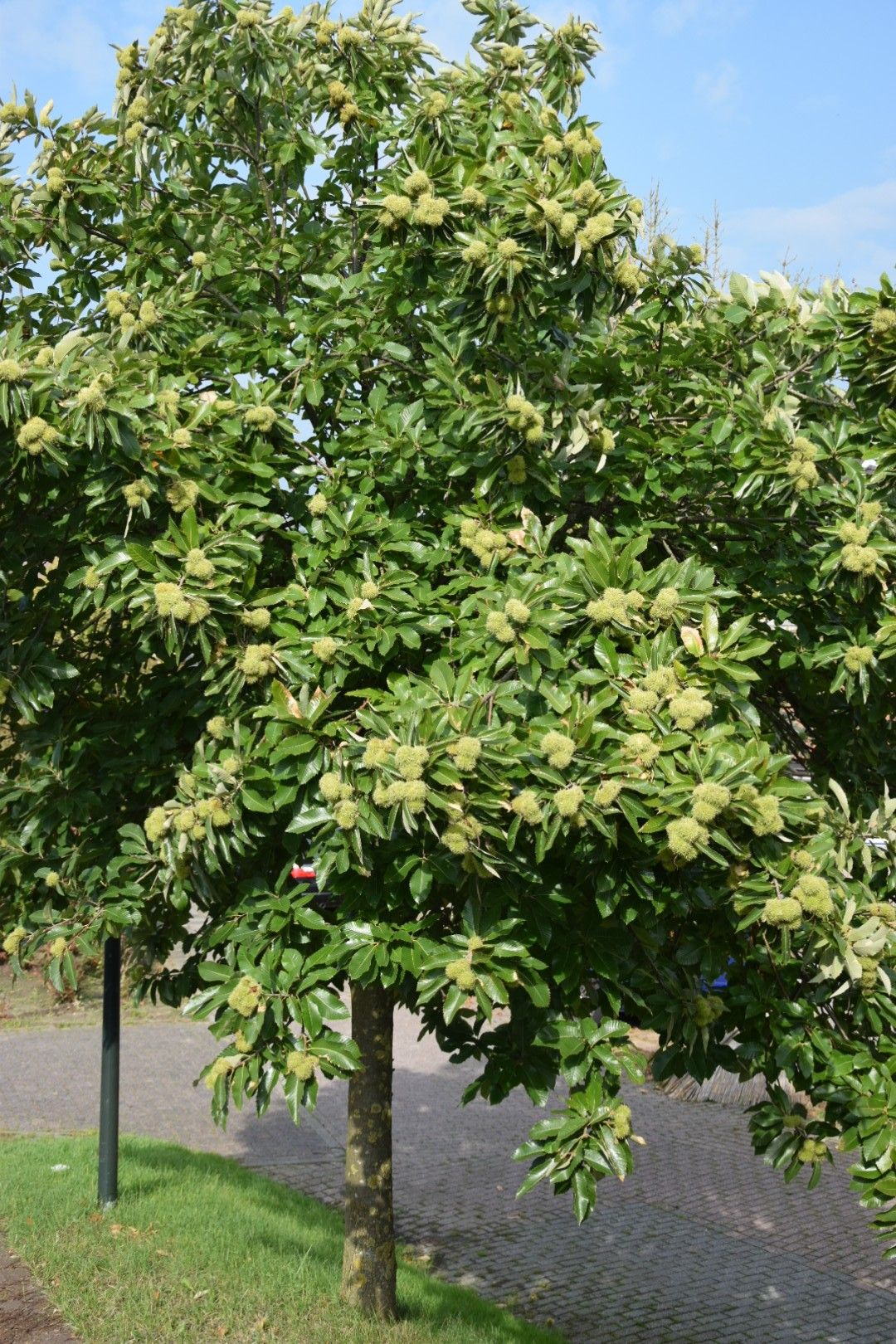
Chestnut Tree: Types and Nutritional Benefits
The chestnut tree is a long-lived and remarkable tree known for its numerous benefits. It provides nutritious fruits, strong wood, and abundant shade in nature. It is characterized by broad leaves and spiny fruits, and is widespread in temperate regions worldwide
Types of Chestnut Trees
European Chestnut (Castanea sativa): grown in Europe, producing sweet-tasting fruits
American Chestnut (Castanea dentata): once common in North America but declined due to disease
Chinese Chestnut (Castanea mollissima): disease-resistant, used in cooking and traditional medicine
Japanese Chestnut (Castanea crenata): grown in Japan, known for its unique flavor in local cuisine
Health Benefits of Chestnut Trees
Rich in minerals and vitamins such as magnesium, potassium, and vitamin C, promoting overall health
Improves heart health and helps lower cholesterol and blood pressure
Enhances digestive health thanks to fiber content, preventing constipation
Provides energy due to its high carbohydrate content
How to Cultivate a Chestnut Tree
Choosing the location: soil should be rich and well-drained with good sunlight exposure
Planting seeds or seedlings: can be grown from seeds or transplanted seedlings
Watering: requires regular watering, especially in the first few years
Pruning: helps strengthen the tree and improve fruit production
Daily Uses of Chestnuts
In cooking: used in desserts, soups, and stews, especially in winter
In traditional medicine: chestnut extracts are used to treat joint inflammation and respiratory problems
In industry: wood is used in furniture making, construction, and paper production
The chestnut tree is not only a source of delicious fruits but also an environmental, economic, and health treasure. Whether you wish to plant it or benefit from its nutritional values, it is a wonderful choice that reflects the beauty and richness of nature