The Importance of Pine Trees in the Environment and How to Plant Them
1. Environmental Importance of Pine Trees
Improving Air Quality
Pine trees act as natural air filters, absorbing carbon dioxide and releasing oxygen through photosynthesis.
They reduce air pollution by capturing dust and other pollutants.
Combating Climate Change
With their fast growth rate, pine trees can absorb large amounts of carbon and store it for long periods.
Protecting Soil
Intertwined pine roots prevent soil erosion and help maintain land stability.
They improve soil fertility by reducing nutrient loss.
Supporting Biodiversity
Pine trees provide a safe habitat for birds, insects, and small mammals.
They offer food through their seeds and foliage.
Improving Local Climate
They provide shade and reduce surrounding temperatures.
They help reduce wind speed and protect agricultural lands.
Economic Uses
Pine wood is used in furniture, paper, and construction industries.
Essential oils extracted from leaves and bark offer medicinal and commercial benefits.
2. How to Plant Pine Trees
Choose the Right Location
Require a sunny and open area for healthy growth.
Prefer sandy or loamy soil with good drainage.
Select the Right Species
Different species suit different climates and soils:
Aleppo Pine: suitable for hot and dry regions
Scotch Pine: tolerates cold climates
Planting Seeds
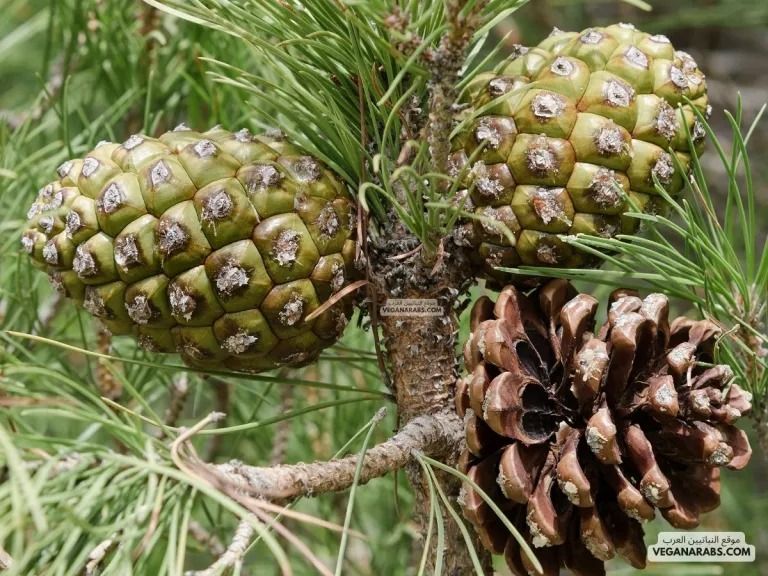
Collect seeds from pine cones and let them dry.
Plant seeds 2-3 cm deep in moist, nutrient-rich soil.
Planting Seedlings
Purchase ready seedlings and plant them in a 30-50 cm deep hole.
Maintain 2-3 meters spacing between trees for healthy growth.
Watering
Pine trees tolerate drought but need regular watering during the first year.
Afterward, they rely on rainfall.
Fertilizing
Use nitrogen-rich fertilizer at the beginning of growth.
Apply organic fertilizer annually to improve soil fertility.
Protection and Maintenance
Protect young trees from animals like livestock and rabbits.
Remove weeds around the base to improve water and nutrient absorption.
Pruning
Remove dead or damaged branches to improve shape and encourage healthy growth.
Additional Tips
Planting pine trees on hills or slopes reduces soil erosion.
Avoid overwatering to prevent root rot.
Regularly inspect trees for diseases or pests.
Pine trees are not only ornamental plants or a source of timber—they play an important environmental and economic role. They improve air quality, combat climate change, and support biodiversity, making them an ideal choice for balancing natural beauty with environmental preservation.