How Olive Tree Care Affects Oil Quality
Olive tree care directly affects the quality of the oil it produces, as every stage of tree care contributes to improving fruit quality and, consequently, oil quality. The main factors influencing oil quality through tree care are as follows
Choosing the Right Planting Location
Soil quality is important since olive trees prefer fertile, well-drained soil. Nutrient-rich soil enhances tree health and produces high-quality oil
Climate plays a key role. Olive trees grow best in moderate, dry climates, which reduce the risk of fungal diseases that can negatively affect oil quality
Irrigation
Although olives tolerate drought, providing adequate water during growth and fruiting stages increases fruit quality
Moderate watering is better than excessive irrigation, as too much water can reduce oil concentration and increase fruit water content, affecting flavor and chemical composition
Fertilization
Proper nutrition is essential. Using balanced organic or chemical fertilizers provides the nutrients the tree needs to produce high-quality fruit
Key elements such as nitrogen, phosphorus, potassium, and calcium affect fruit size and oil content
Pruning
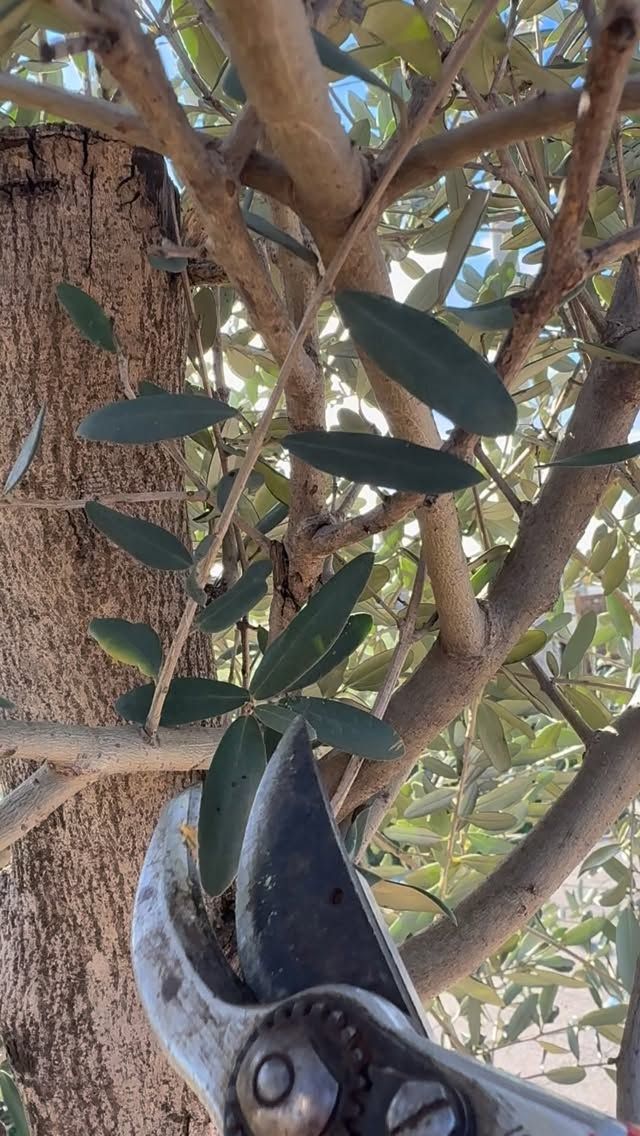
Regular pruning removes dead or diseased branches, improving tree ventilation and light penetration to the fruit
Healthy, fruitful branches produce high-quality olives and, consequently, better-tasting oil with superior components
Pest and Disease Control
Pests such as olive fruit fly directly damage the fruit, increasing acidity and reducing oil quality
Using natural or biological pesticides reduces pest impact without harming oil quality
Harvest Timing
Harvesting at the right time is critical. Early harvest produces high-quality oil rich in phenolic compounds and antioxidants but with lower yield
Late harvest increases oil yield but may reduce flavor quality and health benefits
Harvest Method
Manual or gentle tool harvesting preserves fruit integrity
Heavy machinery harvesting may damage fruit, leading to oxidation and higher acidity in the oil
Prompt Fruit Processing
Pressing olives immediately after harvest is important, as delays lead to fruit degradation and higher acidity, affecting flavor and quality
Modern cold-pressing techniques help produce high-quality olive oil while preserving flavor and healthy compounds
Olive and Oil Storage
Fruits should be stored in a cool, dry environment to prevent spoilage
Olive oil should be stored in dark, tightly sealed containers away from light and heat to maintain quality
Olive tree care affects both oil quantity and quality. Providing ideal conditions for irrigation, fertilization, pruning, pest control, and proper harvest and processing enhances oil concentration, flavor, and health benefits