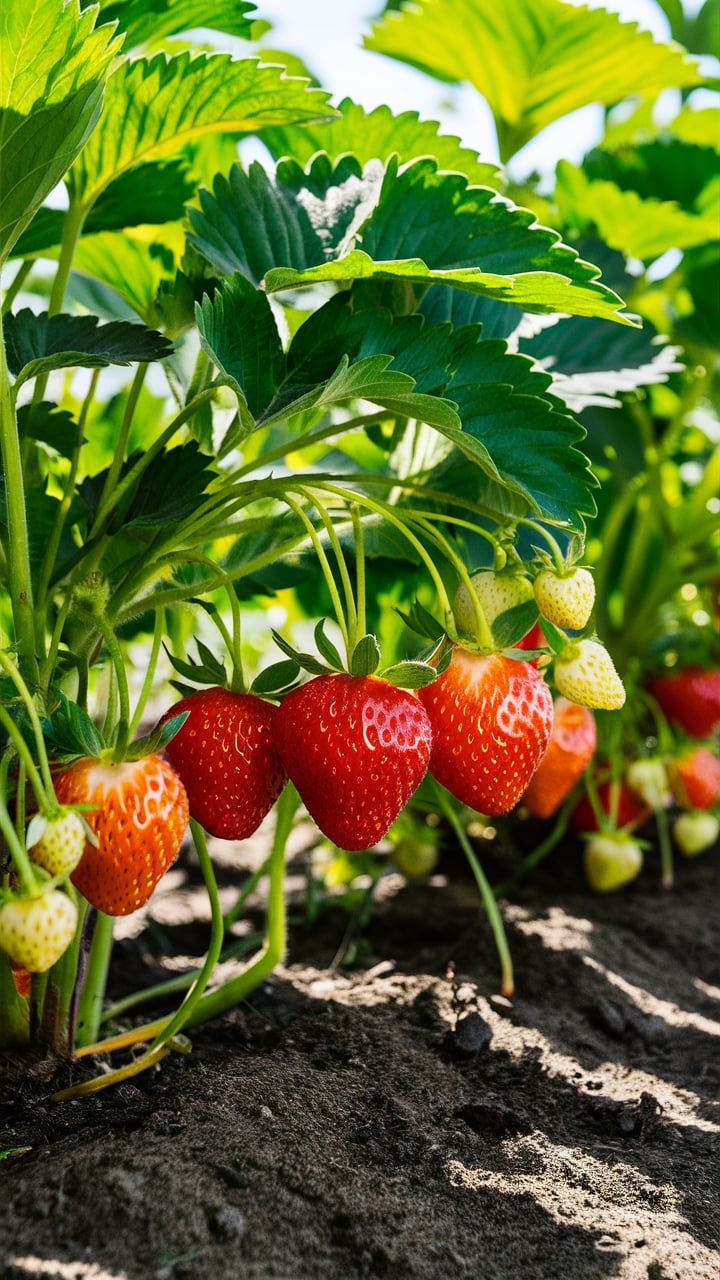
Health Benefits of Strawberries
Strawberries are not only delicious but also rich in nutrients and compounds beneficial for health.
They are a great source of vitamin C, which boosts immunity and protects cells from damage, and are rich in manganese and potassium important for bone and heart health.
Strawberries contain antioxidants such as flavonoids and anthocyanins that help fight free radicals and reduce the risk of chronic diseases like cancer and heart disease.
The fiber and potassium in strawberries support heart health and help lower blood pressure.
Antioxidants and vitamin C support collagen production, keeping the skin youthful and reducing wrinkles.
Dietary fiber aids digestion and helps reduce gastrointestinal issues such as constipation.
Strawberries are low in calories, making them a healthy option for those following a diet, while still being nutrient-rich.
Sustainable Strawberry Farming Methods
To ensure healthy and sustainable strawberry production, environmentally friendly farming strategies can be followed:
Choosing the Right Location
Select a site with adequate sunlight, as strawberries need 6-8 hours of light daily
Ensure well-drained soil to prevent root rot
Soil Improvement
Use organic fertilizers such as natural compost to enhance soil fertility
Maintain slightly acidic soil with pH between 5.5 and 6.5
Sustainable Irrigation
Use drip irrigation to reduce water waste and provide adequate moisture to roots
Avoid overwatering to reduce the risk of fungal diseases
Choosing Suitable Varieties
Plant disease- and pest-resistant varieties to reduce the need for chemical pesticides
Grow either everbearing or seasonal strawberries according to farm needs
Modern Farming Techniques
Vertical farming saves space and increases productivity
Use organic mulch around plants to reduce weed growth and retain soil moisture
Sustainable Pest Control
Use biological control methods such as beneficial insects to attack pests
Use natural oils and plant extracts as safe pesticides
Plant pest-repellent crops nearby, such as garlic and onions
Reducing Chemical Use
Rely on organic fertilizers instead of chemical ones to improve fruit quality and reduce environmental impact
Use biopesticides instead of conventional chemical pesticides
Crop Rotation
Change strawberry planting locations every one or two years to reduce the buildup of soil-borne diseases and pests
Harvesting and Storage
Harvest strawberries when fully ripe for the best quality
Store strawberries at low temperatures to maintain freshness and flavor
Benefits of Sustainable Strawberry Farming
Improves product quality, as organically grown strawberries are richer in flavor and nutrients
Protects the environment by reducing chemical use and preserving biodiversity
Reduces long-term costs by relying less on industrial inputs
Strawberry cultivation is not just a source of delicious and healthy fruit, but also an opportunity to adopt sustainable farming practices that support the environment and provide safe, human-friendly products. With proper planning and care, farmers can achieve high yields while conserving natural resources