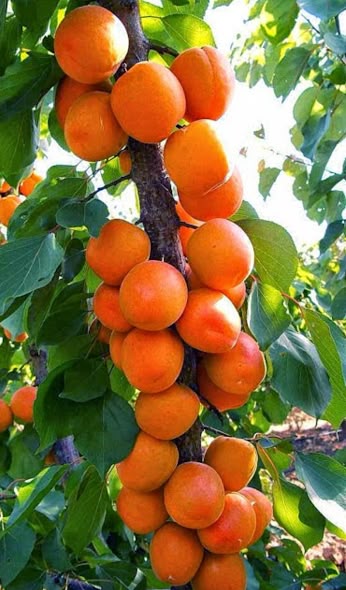
Health Benefits of Apricots
Apricots are nutrient-rich fruits, making them an excellent choice for health
They contain vitamin A in the form of beta-carotene which promotes eye health, and vitamin C which boosts immunity
They are also rich in minerals like potassium and magnesium important for heart health
Apricots are a strong source of dietary fiber that improves digestion and helps relieve constipation
They contain antioxidants such as polyphenols and flavonoids that fight free radicals and reduce the risk of chronic diseases like cancer and heart disease
Vitamin A and antioxidants support skin health by promoting cell regeneration and preventing wrinkles
Apricots are rich in calcium and phosphorus, essential for bone health
Their high water content helps keep the body hydrated, especially in hot climates
Apricot Tree Care Methods
To grow healthy and productive apricot trees, the following steps should be followed
Choosing the Right Location
Plant the tree in a sunny spot with 6-8 hours of sunlight daily
Avoid areas with waterlogged soil to prevent root problems
Soil Quality
Apricot trees grow best in fertile, well-drained soil
Soil should be nutrient-rich and slightly acidic to neutral, with pH between 6.5 and 7.5
Regular Irrigation
Water the tree regularly during growth and fruiting, avoiding overwatering to prevent root rot
Reduce watering during winter when the tree is dormant
Fertilization
Add organic fertilizer such as compost or natural manure at the start of the growing season
Use fertilizers rich in nitrogen, phosphorus, and potassium during different growth stages
Regular Pruning
Prune trees during winter to remove dead or diseased branches
Pruning ensures sunlight and air reach all parts of the tree
Pest and Disease Protection
Apricot trees are prone to diseases like powdery mildew and bacterial spots
Use natural or biological pesticides and monitor trees regularly
Plant disease-resistant varieties when possible
Pollination
Some apricot varieties require cross-pollination, so planting more than one variety is recommended
Bees and other pollinators are essential for good fruit production
Harvesting
Pick fruits when fully ripe and uniform in color
Harvest usually occurs in spring or summer depending on the region and variety
Additional Tips
Protect young trees from strong winds using windbreaks
Remove weeds around the tree that compete for water and nutrients
Leave enough space between trees to allow proper growth and air circulation
Apricot trees are not only a beautiful addition to orchards or gardens but also a source of nutritious and delicious fruits. By providing ideal conditions and proper care, you can enjoy high-quality fruits and reap their health benefits