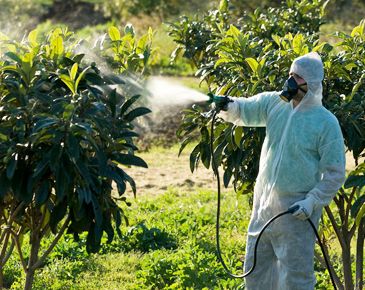
Pesticide spraying is an important tool for controlling agricultural pests, but its effectiveness relies on proper planning and the use of appropriate strategies
By following specific approaches, optimal results can be achieved while minimizing environmental impact
Choosing the Right Pesticide
Selective pesticides target specific pests without harming beneficial organisms
Broad-spectrum pesticides are used when a variety of pests are present, taking care to minimize negative environmental effects
Organic or natural pesticides are a safe, environmentally friendly alternative, especially in organic farming
Timing the Spray Carefully
Spraying is best done early in the morning or late in the evening to prevent chemical evaporation from heat
Consider the pest’s life cycle and apply pesticides at sensitive stages such as eggs or larvae
Avoid spraying on windy or rainy days to ensure the pesticide remains on the crops
Using Recommended Dosages
Follow the specified concentrations to avoid harming crops and non-target organisms
Use accurate measuring equipment to ensure proper pesticide preparation
Following Proper Spraying Techniques
Ensure complete coverage of all plant parts, including the underside of leaves
Consider wind direction to prevent waste and protect the applicator
Calibrate and maintain spraying equipment regularly to ensure even distribution
Integrating with Other Control Strategies
Biological control using natural enemies like beetles or parasitic wasps alongside pesticides
Improve cultural practices such as plowing and selecting resistant crops to reduce pesticide use
Implement crop rotation to reduce pest spread and reliance on chemicals
Reducing Dependence on Chemical Pesticides
Use pheromone traps or attractants to reduce pest populations
Apply precision agriculture techniques to target only the most affected areas
Training and Awareness
Train workers and farmers on safe pesticide handling and application
Ensure understanding of instructions on pesticide labels
Monitoring Pests and Evaluating Results
Conduct regular monitoring programs to assess pest levels and pesticide effectiveness
Adjust spraying strategies based on monitoring results
Pesticide spraying is a key element in pest management but should be part of a comprehensive Integrated Pest Management (IPM) approach
By choosing the right pesticide, applying it at the right time and method, and integrating it with other strategies, high crop yields can be achieved while minimizing environmental impacts