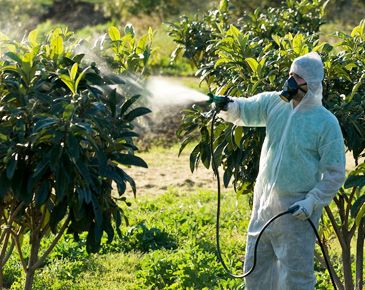
Pesticide spraying can have positive or negative effects on plant health and crop quality depending on the method of use and type of pesticide
Understanding these effects helps achieve the best results while minimizing environmental and health risks
Positive Effects
Protecting plants from pests and diseases: Pesticides help eliminate insects, fungi, and bacteria that negatively affect plant health, promoting healthy growth
Improving crop quality: Controlling pests reduces damage such as holes or rot, leading to high-quality fruits
Increasing plant productivity: Eliminating competition from weeds or insects allows plants to use resources like water, light, and nutrients more efficiently
Enhancing plant resistance to environmental stress: Protecting plants from diseases and pests improves their ability to withstand conditions like drought or climate changes
Negative Effects
Damage to plant health when misused: Excessive doses or using inappropriate pesticides can poison plants, causing yellowing or leaf drop
High-concentration pesticides may negatively affect photosynthesis
Chemical residue accumulation in crops: Overuse of pesticides can lead to harmful chemical residues in crops, affecting their quality and food safety
Harm to beneficial organisms: Some pesticides kill helpful insects like bees, which are essential for pollination, potentially reducing crop yield and quality
Negative effects on soil: Continuous pesticide use can alter soil properties and reduce fertility, affecting plant health
Pest resistance development: Improper use can lead to pests becoming resistant to pesticides, making future control more difficult
Ways to Minimize Negative Effects
Follow guidelines: Use recommended doses according to agricultural instructions
Choose safe pesticides: Use pesticides that degrade quickly and have minimal environmental impact
Spray at the right time: Avoid spraying during strong winds or flowering to reduce harm to plants and bees
Use integrated pest management: Reduce reliance on chemical pesticides by using natural alternatives or biological control
Pesticide spraying is essential for protecting plants and crops, but its impact depends on awareness and proper application