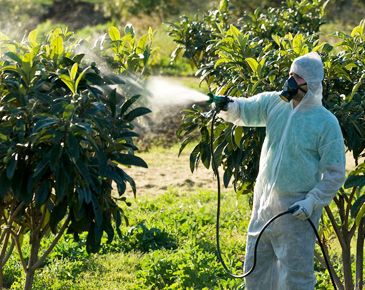
Pesticide spraying is one of the fundamental practices in modern agriculture, and it plays a major role in protecting crops and ensuring high productivity and quality
Protecting crops from pests and diseases
Pesticides help eliminate insects, fungi, bacteria, and weeds that may damage crops
They protect crops from diseases that could cause significant production losses
Increasing agricultural productivity
Eliminating harmful pests allows crops to grow healthy and fast, improving overall yield
Improving the quality of agricultural products
Pesticides reduce damage caused by pests, enhancing the appearance and nutritional content of fruits and vegetables
Reducing production costs
Preventing pests and diseases with pesticides decreases the need for replanting or spending extra resources to address major problems resulting from neglect
Maintaining environmental balance when used carefully
Using pesticides correctly according to guidelines minimizes negative effects on the environment and beneficial organisms such as bees
Controlling disease-transmitting pests
Some pests not only damage crops directly but also transmit diseases to plants, affecting food safety
Enhancing food security
Protecting crops from pests contributes to sustainable food supply and supports food security
Pesticide spraying is essential in modern agriculture, but achieving the desired benefits requires awareness and responsible use to avoid negative impacts