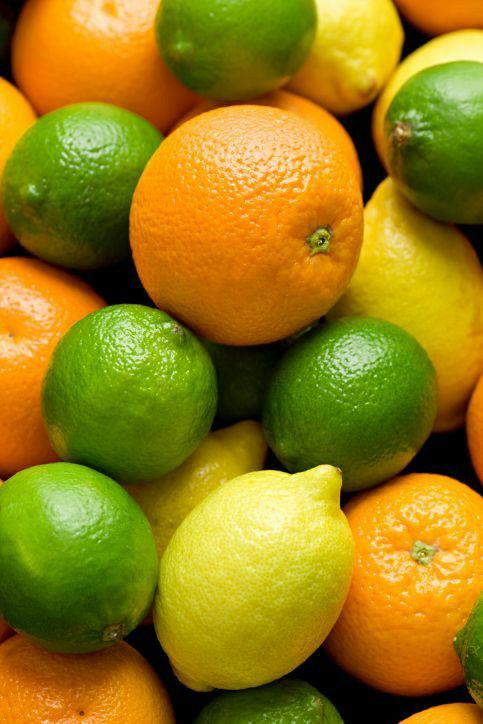
Citrus cultivation is an important agricultural practice in regions with a moderate and warm climate, producing fruits with high nutritional value. Citrus varieties include oranges, lemons, grapefruits, and mandarins (tangerines). To ensure sustainable agricultural success, several key factors should be considered
Choosing the Right Location
Citrus requires a warm and moderate climate with optimal temperatures between 25-35°C and does not tolerate severe frost or extremely high heat. Sandy loam soils with good drainage and a pH between 5.5 and 7.0 are preferred
Selecting Suitable Varieties
Depending on the purpose of cultivation, Navel oranges are ideal for fresh consumption, Adalia or Benzaher lemons for juice production, and Clementine mandarins for fresh fruit. It is also recommended to choose varieties that tolerate low temperatures if the area is prone to frost
Planting Seedlings
Maintain a distance of 4-6 meters between trees to allow root growth and avoid shading. Planting is best done in spring or autumn when conditions are moderate. Dig a hole 50-60 cm deep, add organic or balanced fertilizer, place the seedling, fill the hole with soil, and stabilize the roots
Irrigation
Citrus requires regular watering, especially during growth and fruiting periods. Avoid overwatering to prevent root rot. Drip irrigation is the most effective method to deliver water efficiently and minimize waste
Fertilization
Use organic fertilizer during soil preparation and at the start of each season. Balanced chemical fertilizers containing nitrogen, phosphorus, and potassium are recommended, along with micronutrients such as iron and zinc
Pruning
Regularly remove dead or damaged branches, and prune dense inner branches to improve tree ventilation
Harvesting
Harvest timing depends on the citrus type. Oranges and mandarins are harvested from autumn to winter, while lemons and grapefruits can be harvested year-round in some varieties. Fruits should be picked at full ripeness to ensure the best quality
Citrus cultivation requires careful selection of varieties and consistent care for soil, irrigation, fertilization, and pruning. Following these steps ensures high-quality yields that meet home or commercial needs