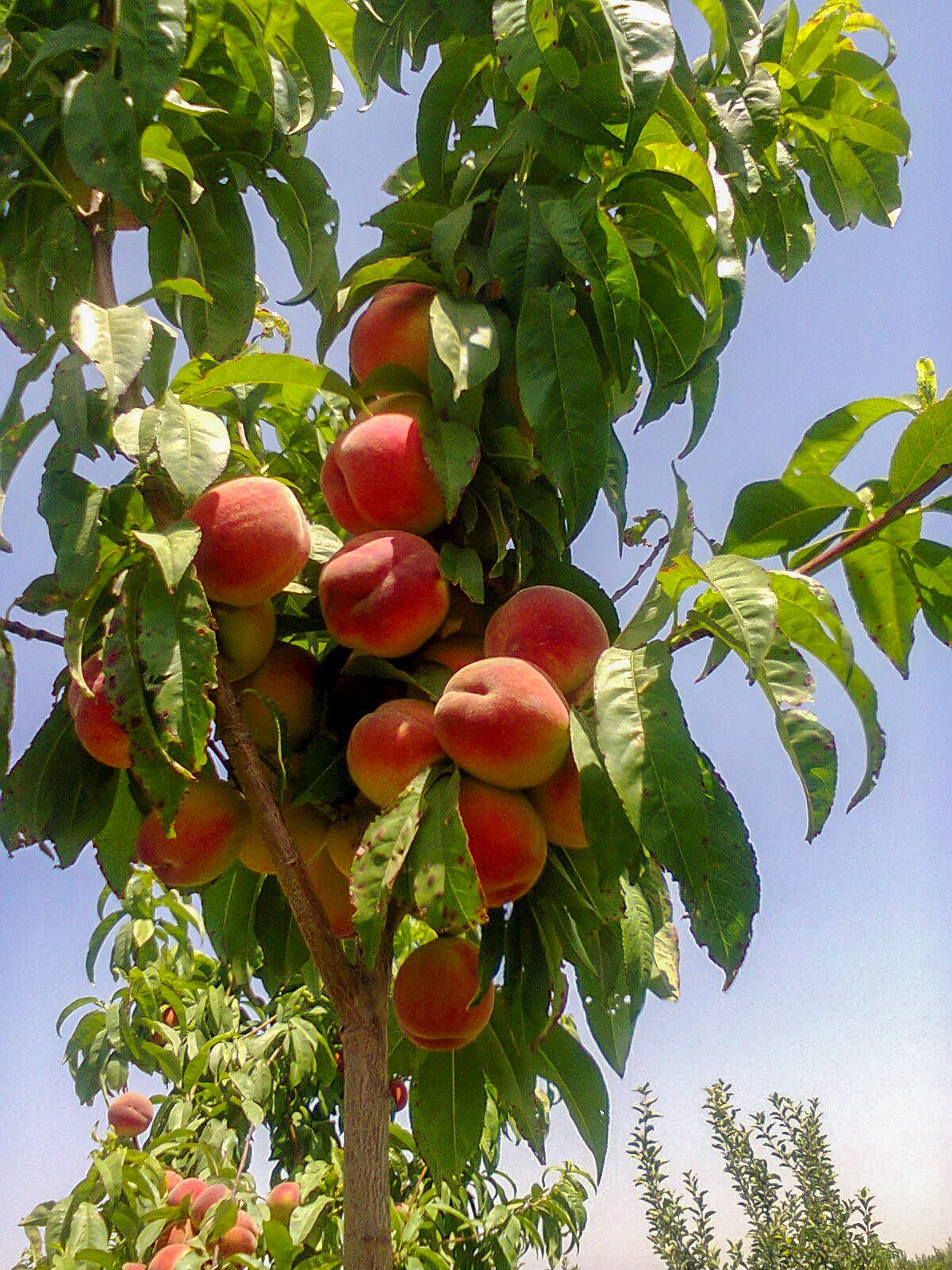
Peach Tree: Cultivation, Health Benefits, and Key Uses
The peach tree is a popular fruit tree known for its delicious fruits and numerous health benefits. Belonging to the Rosaceae family, it features beautiful pink flowers and shiny green leaves, making it an excellent choice for gardens and orchards
How to Cultivate a Peach Tree
Choosing the Right Soil
Prefers sandy or clay soil rich in organic matter
Requires good drainage to prevent root rot
Choosing the Location
Needs direct sunlight for at least 6-8 hours a day
Best planted in areas protected from strong winds and frost
Planting Method
Dig a hole 40-50 cm deep and plant the seedling gently
Cover the roots with soil and press lightly to secure
Water immediately after planting and regularly, especially in the first months
Pruning and Care
Regular pruning promotes growth and fruiting
Protect the tree from pests such as aphids and brown rot
Health Benefits of Peaches
Rich in vitamins and minerals like vitamin C, A, and potassium, promoting overall health
Supports heart health and helps lower blood pressure due to antioxidants
Improves digestion thanks to high fiber content
Supports healthy skin due to vitamins that maintain skin freshness
Aids weight loss with low calories and high water content
Daily Uses of Peaches
In cooking, used for desserts, juices, and jams
In skincare, included in some cosmetics to moisturize the skin
In alternative medicine, used as a natural remedy for constipation and digestive health
In gardening, peach trees provide shade and aesthetic appeal
Harvesting Peaches
Harvest in summer when the fruits are ripe and soft
Pick gently and store in a cool place to maintain quality
The peach tree is not only beautiful but also a rich source of vitamins and health benefits, with versatile uses in cooking and skincare. Whether you want to cultivate it or enjoy its fruits, it is an ideal choice for any garden or orchard