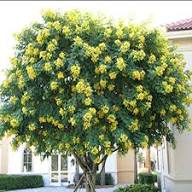
Acacia Tree: A Symbol of Beauty and Environmental and Medicinal Benefits
The acacia tree is a long-lived tree known for its unique beauty and numerous benefits. Acacias are found worldwide, especially in hot and dry regions, where they withstand harsh environmental conditions and provide various environmental and health benefits
Types of Acacia Trees
There are over 1,300 species of acacia, the most notable include:
Acacia nilotica: widespread in Africa, used for medicinal purposes
Acacia senegal: main source of gum arabic used in medicine and industry
Acacia dealbata: known for its beautiful yellow flowers, used for ornamental purposes
Acacia rubiformis: grows in Australia, used for soil improvement
Environmental Benefits of Acacia Trees
Soil improvement: roots fix nitrogen in the soil, enhancing its quality
Desertification control: drought-tolerant, helps stabilize sand
Air purification: absorbs carbon dioxide and produces oxygen efficiently
Provides food and shelter: serves as a food source for animals and provides shade in hot regions
Health and Medicinal Benefits of Acacia
Source of gum arabic, used to treat digestive issues and sore throats
Antibacterial and antifungal properties, useful for wound and skin infection treatment
Supports oral health, as acacia extract is used in some natural toothpastes
Boosts immune system due to antioxidant content
Daily Uses of Acacia
In the food industry: gum arabic is used in sweets and beverages
In cosmetics: used to make creams and natural ointments
In carpentry and furniture: acacia wood is strong and durable, used for luxury furniture
In traditional medicine: leaves and bark are used to treat infections and respiratory diseases
Cultivation and Care of Acacia Trees
Climate: prefers dry or semi-dry climates and tolerates high temperatures
Soil: grows in sandy or clay soils and prefers well-drained soil
Watering: does not require frequent irrigation, drought-tolerant
Pruning: recommended to maintain shape and stimulate growth
The acacia tree is not just an ornamental tree; it is an environmental, medicinal, and economic treasure. It helps improve soil, protects against desertification, and provides natural products with health and industrial benefits