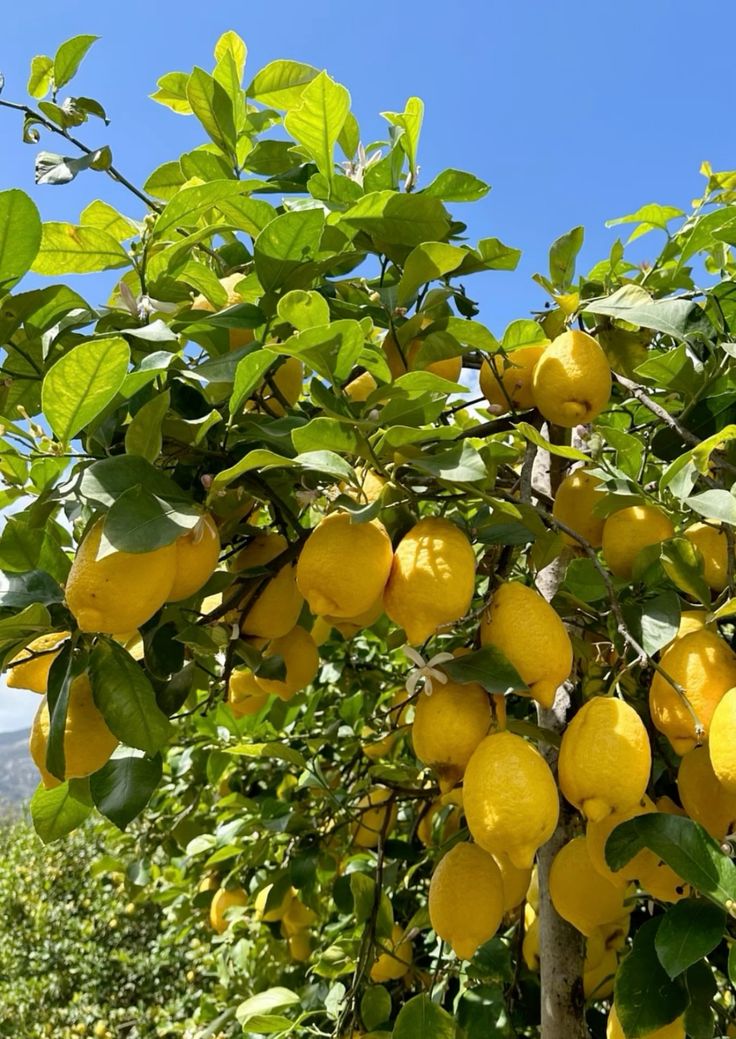
Lemon Tree: Amazing Cultivation, Benefits, and Uses
The lemon tree is one of the most popular citrus trees in home gardens and farms due to its fruit rich in health benefits, refreshing aromatic scent, and ease of cultivation. It is not only a source of delicious fruit but also offers multiple uses in cooking, medicine, and cosmetics
How to Cultivate a Lemon Tree
Choosing the Right Soil
Prefers clay or sandy soil with good drainage
Requires a pH level between 5.5 and 6.5 for optimal growth
Choosing the Location
Needs direct sunlight for at least 6-8 hours a day
Avoid planting in areas exposed to strong winds or frost
Planting Method
Dig a hole slightly deeper than the root length and place the seedling gently
Cover the roots with soil and press lightly to secure the tree
Water immediately after planting and then regularly
Watering and Fertilization
Requires regular watering but avoid overwatering
Use organic fertilizer or one rich in nitrogen and potassium to promote growth and fruiting
Pruning and Care
Prune dead or weak branches to encourage new growth
Protect the tree from pests such as scale insects and aphids using natural methods or safe pesticides
Health Benefits of Lemon Tree
Rich source of vitamin C to boost immunity and protect the body from diseases
Improves digestion and supports gastrointestinal health
Reduces joint inflammation and acts as a natural antioxidant
Supports healthy skin, used for brightening and moisturizing
Aids in weight loss and improves metabolism
Uses of Lemon Fruit and Leaves
In cooking, used for seasoning meats, drinks, salads, and desserts
In medicine, used in natural remedies for colds and sore throat
In cosmetics, used for face masks and skincare and haircare products
In cleaning, used as a natural disinfectant for surfaces and odor removal
The lemon tree is one of the best trees you can plant and benefit from, whether at home or on a farm. It is not only a fruit tree but a natural treasure full of nutritional, medicinal, and environmental benefits