Introduction
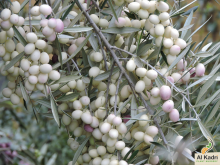
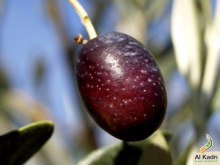
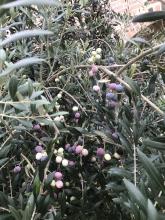
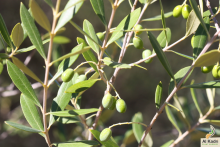
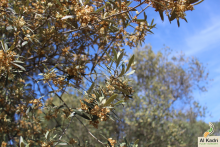
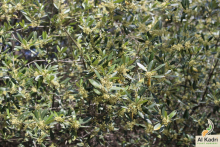
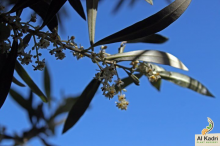
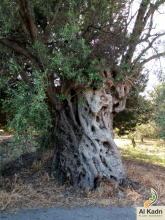
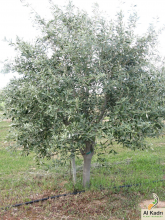
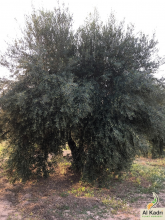
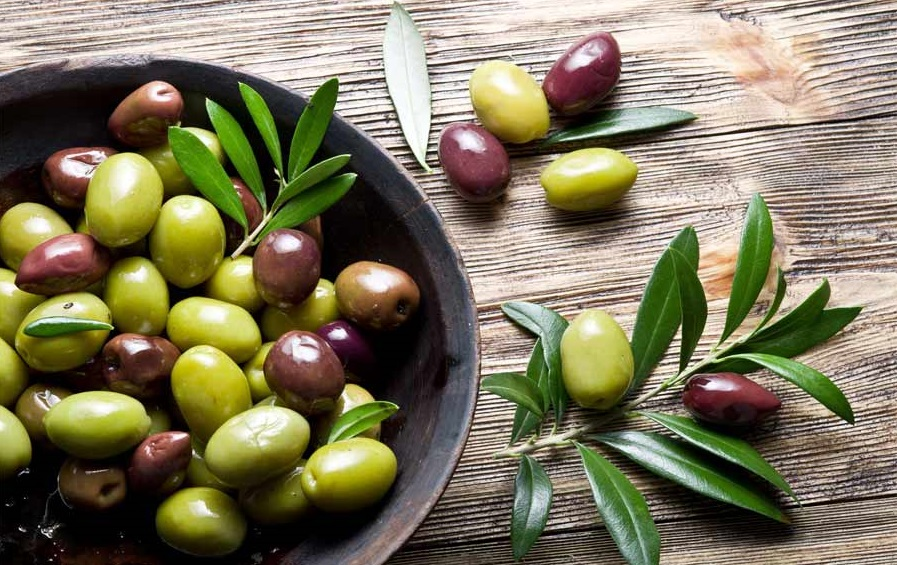
Olive tree is a long-living evergreen tree
It is a blessed tree mentioned in the Quran
:Allah said
(It is lit from a blessed olive tree neither eastern nor western)
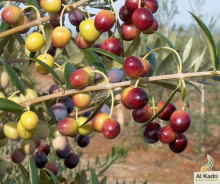
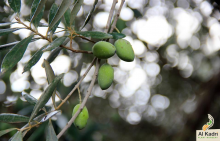
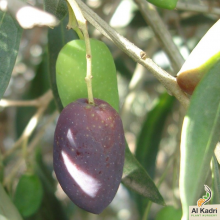
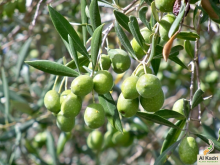
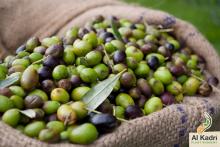
Its fruits are edible
Oil extracted from it is rich in nutrients and health benefits
Its wood is used for furniture and art pieces
Its dried branches are used for heating
Suitable Environment
Temperature
Native habitat is the Mediterranean basin
It suits climates with dry hot summers and cold rainy winters
Prefers moderate warm temperatures
Tolerates heat up to 50° C
And cold down to -7° C
Avoid planting in areas with severe frost
Frost negatively affects tree growth
Olive trees need a number of chilling hours below 7.2° C
To stimulate flower buds and fruit formation
Chilling requirement ranges from 300 to 2000 hours depending on the variety
Elevation
Olive trees grow from sea level to very high elevations
Best planting areas are 400 - 700 m above sea level
Avoid planting above 900 m
Heavy snow can break the branches
Low areas may not provide enough chilling hours
Check carefully when choosing orchard location
Light
Olive trees love sunlight
Sunlight is essential for photosynthesis
It helps fruit ripening and coloring
Choose a location with good sun exposure
Prune trees to open the center and expose all branches to sunlight
Wind
Olive trees are affected by wind
The tree may lean opposite the wind direction
Strong winds cause flower and fruit drop
Choose a location away from strong winds
Use windbreaks if necessary
Humidity
High humidity is unsuitable for olive cultivation
It promotes pests such as Peacock Spot disease
Rainfall
Some varieties need little water
Like Nabali Baladi, annual requirement 350 mm
Other varieties, especially imported, need supplemental irrigation
Water requirement ranges from 300-800 mm per year
Compare rainfall with variety needs to determine irrigation
Soil
Olive trees tolerate poor soils
Growth and production improve with fertile soil
Succeeds in well-drained soils
Tolerates drought and soil salinity depending on the variety
Avoid heavy soils that retain water
Very fertile soils may increase vegetative growth at the expense of fruiting
Sandy or calcareous soils may lack boron or copper
Best soils are fertile, deep, well-drained, and ventilated
Integrated irrigation and fertilization improve soil and yield
Fertilization
Add organic fertilizers in autumn and early winter
Mineral fertilizers, especially nitrogen, are important yearly
Full chemical fertilizers (NPK) with organic matter improve weak soils
Monitor micronutrient deficiencies, especially boron
Irrigation
Planting can be rainfed or irrigated
Rainfed planting
Water requirement matches rainfall
Irrigation only in extreme heat
Irrigated planting
Irrigate according to need and rainfall
Regular irrigation prevents drought
Irrigation methods: basins, trenches, drip depending on soil, water, and cost
Pruning
Pruning directs tree growth
Allows light and air to reach all branches
Reduces diseases and pests
Improves fruit quality
Reduces alternate bearing and extends productive life
Types of pruning
Training pruning: for young trees, starts year three
Production pruning: after harvest, distributes and increases yield
Renewal pruning: rejuvenates old trees, removes or shortens main branches
Harvesting
Olive harvesting is difficult due to small fruits and strong attachment
Time depends on variety and environment
Usually between mid-September and early December
Harvesting methods
Hand picking: best quality, costly
Stick beating: not recommended
Rake method: faster but some leaves fall
Mechanical harvesting: shaking machines, needs trained spacing
Transporting olives to the mill
Place cloth or burlap under tree
Transport in ventilated sacks or boxes
Remove leaves before pressing
Do not exceed 40 cm fruit layer
Press olives within a week
Propagation
Propagation methods
Seeds: rarely used, long time to fruit
Grafting: bud graft in early autumn, cuttings in early spring
Cuttings: rooting depends on variety, may need growth hormones
Suckers: side shoots with roots, plant in spring or autumn, graft if not desired fruit variety
Pest and Disease Control
Check soil and ensure it is pest-free
Plant healthy trees from trusted sources
Maintain proper spacing to avoid high humidity
Good pruning and ventilation
Proper nutrition and irrigation
Whitewash trunks in spring
Keep orchard clean
Sterilize tools between trees
Use traps to monitor insects and timing of spraying
Major pests and diseases
Peacock Spot: fungal, leaf spots, causes leaf drop
Verticillium Wilt: fungal, root-transmitted, branch dieback
Olive Knot: bacterial, causes galls on branches
Olive Fruit Fly: lays eggs inside fruit, damages pulp and deforms fruit
Olive Varieties
Nabali Baladi: local, pest-resistant, dual-purpose, oil 22-26%
Nabali Muhassan: local, water 450 mm, dual-purpose, oil 18-22%
Awja: local, heavy bearing, salt-resistant, oil 18-24%
Shami: local, larger fruit, less oil, needs irrigation and fertilization
Souri: local, like Nabali, prefers irrigation ≥ 400 mm, pest-resistant
Seeded Olive (Wild): local, for propagation only, low disease
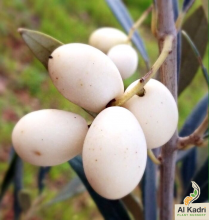
Other varieties: Nasouhi Jebaa, K18, Grosadi, Arbequina, Golblanca, Kalamata, Coratina, Escolano, Saint Catherine, Leccino, Frantoio, White Olive