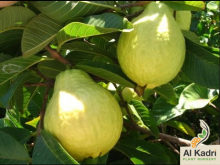
Guava
Guava is grown in tropical and subtropical regions
Its origin is tropical America
It was introduced from Egypt to Palestine then Jordan
It is widely grown in warm Jordan Valley areas
Guava is a semi deciduous tree
Leaf drop depends on temperature
The tree can reach about ten meters in height
It has spreading growth with low branches
Branches are flexible and angular
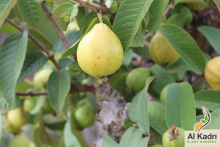
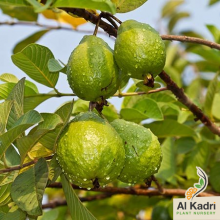
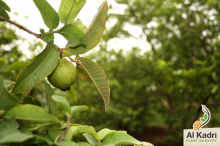
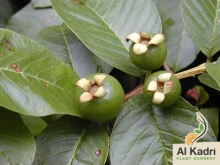
Leaves are opposite and simple
They are oval elongated with smooth edges
Leaf texture is rough and light green
Fine hairs appear on the lower surface
Crushed leaves release a camphor like scent
The bark is thin brown and peels easily
Flower buds are mixed and borne on one year old branches
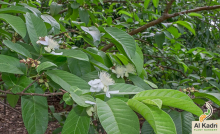
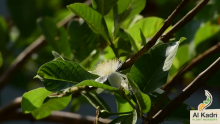
Flowers grow in the leaf axils
Pollination is mostly self pollination
Cross pollination may occur with insects
Seedless guava fruits form without fertilization
Guava tolerates high temperatures
Low temperatures slow growth
Young trees are sensitive to cold
Cold damage may kill shoots
New growth appears in spring from lower buds
High humidity increases fungal diseases
It also increases scale insect infestation
Guava prefers areas with higher rainfall
Guava grows in many soil types
Deep fertile well drained soils are best
It tolerates calcareous and saline soils
Suitable soil pH ranges from 4 to 9
Guava tolerates drought to some extent
Regular irrigation is still required
Trees are irrigated every three to four days in summer
Especially in sandy soils
Water stress reduces yield and tree vigor
Regular fertilization is essential
Organic manure is applied in winter
Chemical fertilizers are added during growth
Nitrogen phosphorus and potassium are required
Micronutrients like zinc and manganese are important
Guava is propagated by seeds and vegetative methods
Seed propagation is the most common
Seeds are used mainly for rootstocks
Seeds are cleaned dried and treated with fungicides
Seedlings are transplanted after reaching proper size
Cutting propagation is difficult
Tip cuttings may root with growth regulators
Layering and air layering are used
Budding and grafting are highly successful
Tissue culture propagation is also possible
Seed grown trees show wide variation
Selected strains are preferred for production
Most cultivars in Jordan are imported from Egypt
Common varieties include
Haram 1
Maamoura 1
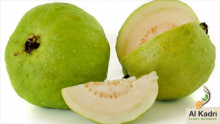
Supreme white flesh
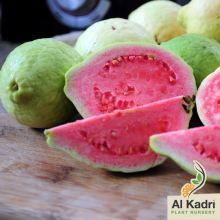
Patillo pink flesh
Blitch pink flesh
Ruby red flesh
Red Indian
Miami Red
Miami White