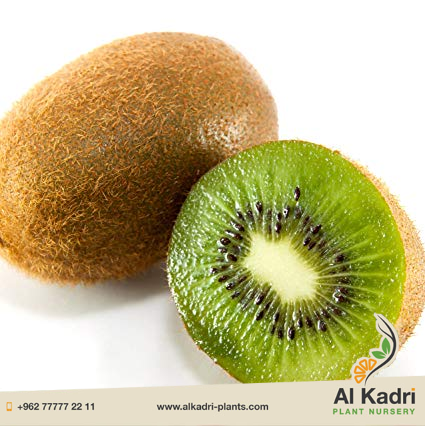
Kiwi
Description
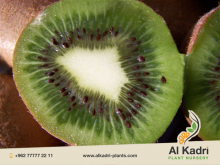
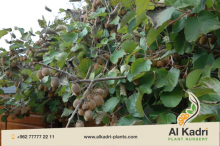
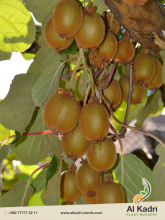
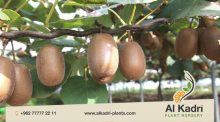
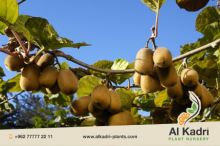
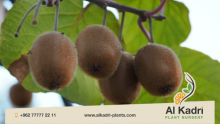
Oval fruit with brown skin and green flesh with small black seeds
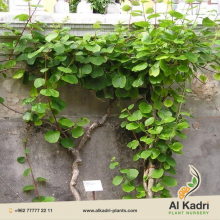
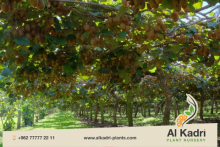
Climbing woody plant dioecious and perennial 30–40 years
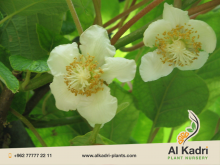
Female flowers are single and male flowers are large with stamens clustered
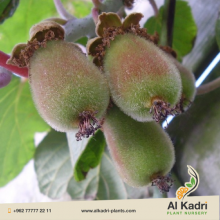
Fruits are oval and hairy chestnut colored with emerald green flesh and black stripes
Taste is a mix of strawberry and pineapple
Fruit weight 70–120 grams depending on the variety
Begins fruiting in the third or fourth year
Leaves
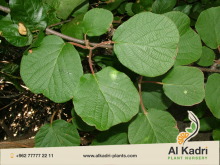
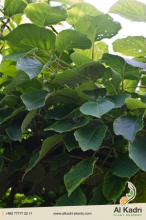
Large heart-shaped 8–12 cm long and 6–7 cm wide
Lower surface covered with short dense hairs
Flowers
White turning creamy 3–4 cm in diameter
Nutritional value
Rich in fiber antioxidants vitamin C and K
Seeds contain omega 3
Medium fruit contains 46 calories
Richer in vitamin C than orange
Source of folate potassium magnesium calcium iron and copper
Suitable conditions
Requires warm summer and slightly cold winter below 8°C
Moderate humidity
Strong winds are harmful windbreaks recommended
Soil
Rich in organic matter well-drained
Irrigation
Sensitive to water shortage drip or light spray irrigation recommended
Avoid water accumulation around roots
Propagation methods
By seeds or soft cuttings
Varieties
Soft hairy type
Sharp-toothed type
Chinese large fruit type
Rabeh large fruit type
Medical benefits
Rich in vitamin C
Seed oil is sesame substitute and easy to digest
Roots treat scabies itching and allergies
Fruit juice relieves acidity
Fruit with skin helps eliminate intestinal worms