Pumpkin
Description
Plant belongs to the Cucurbitaceae family
Related to zucchini, cucumber, and melon
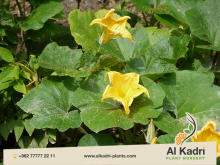
Color is yellow, red, or orange
Originally from South America
Grown in warm regions worldwide
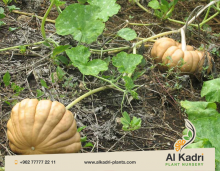
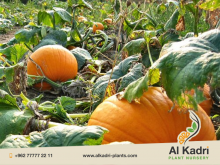
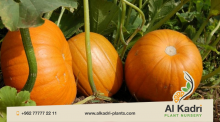
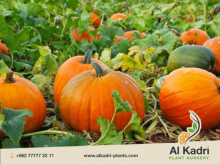
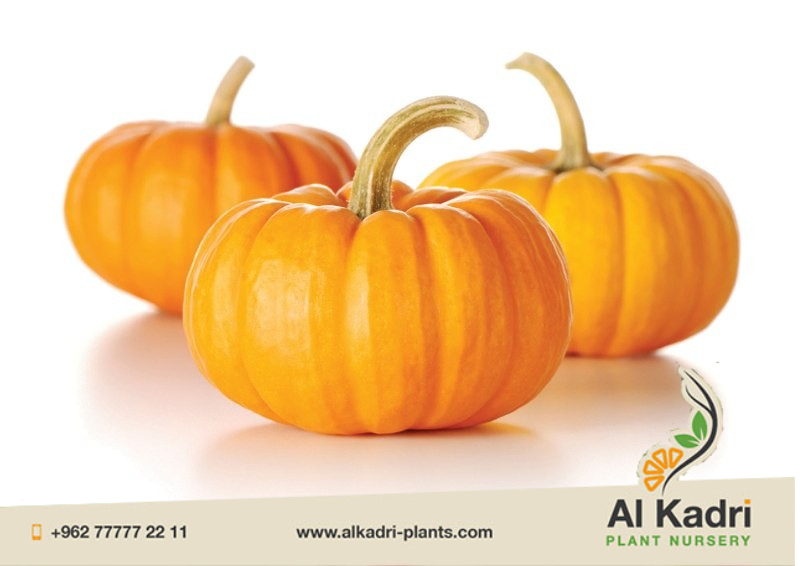
Fruit is round and orange
Contains outer shell, seeds, and flesh rich in water, sugar, oils, proteins, and minerals
Contains amino acids and vitamins
Suitable conditions
Climate
Needs a warm growing season
Tolerates some cold
Grows well in low temperatures and high humidity
Clear weather helps fruit ripening
Soil
Yellow well-drained soils
Free from harmful salts
Sandy soils help early production
Irrigation
Regular watering is important from fruit set to ripening
Irregular watering causes fruit drop and failed pollination
Stop irrigation two weeks before harvest to increase solids in fruit
Fertilization
Strong-growing plant with long season
Use composted organic manure or poultry manure
Phosphorus, nitrogen, potassium
Planting method
Plant 3-4 seeds per hole
Distance between holes 1 meter
Use dry seeds in sandy soils
Use sprouted seeds in heavy soils
Pests
African pumpkin beetle
Whitefly
Aphids
Powdery mildew
Cotton leafworm
Varieties
Hubbard
Connecticut Field
Winter Luxury