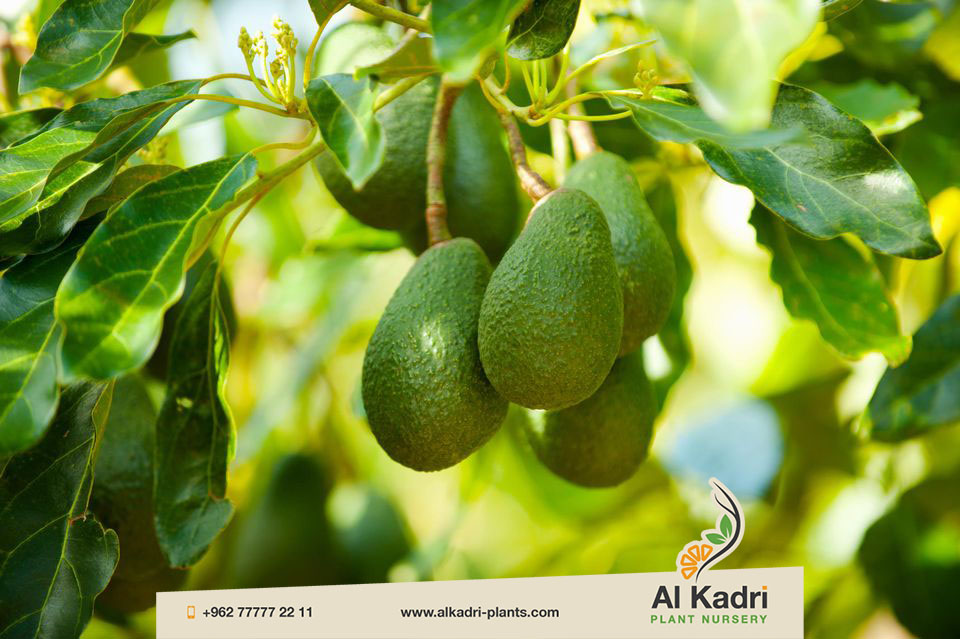
Avocado
Description
A tropical American plant, evergreen
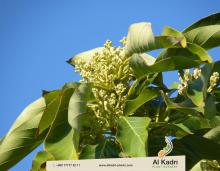
Green leaves and small green flowers
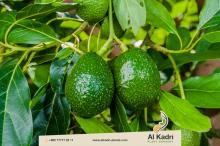
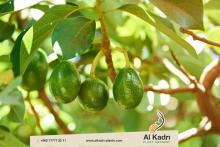
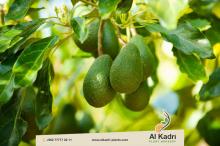
Pear-shaped green fruits, 7–20 cm long, containing a single central seed
Each tree produces about 120 fruits per year
Tree can reach up to 18 meters in height
Fruits do not ripen on the tree; they need to be harvested and stored before consumption
Nutritional Value and Benefits
Rich in Vitamin K, fiber, potassium, and folate
Healthy fats: monounsaturated fatty acids, rich in oleic acid (similar to olive oil)
Helps lower cholesterol, regulate blood pressure, and protect the heart and arteries
Growing Conditions
Climate
Prefers areas free from frost and extreme cold
Can tolerate moderate heat and mild cold
Requires adequate humidity and protection from strong winds
Soil
Thrives in loamy, sandy, calcareous, and fertile soils with good drainage
Sensitive to root rot, so proper drainage is necessary
Can tolerate slight salinity
Planting Distance
Light or sandy soil: 8 × 6 m or 8 × 8 m
Fertile soil: 10 × 10 m or 10 × 12 m
Irrigation
Trees do not tolerate drought
Proper watering is essential, especially around the root zone
Avoid watering during flowering to prevent flower drop
Fertilization
Sensitive to micronutrient deficiencies, especially zinc
Apply organic fertilizer + 45 kg ammonium sulfate + 50 kg superphosphate + 50 kg potassium sulfate in 3 doses (spring and autumn)
Pruning
Young trees: formative pruning to shape the tree
Mature trees: light pruning to remove dead branches and open the canopy
Harvesting
Fruits are harvested when fully grown but before ripening
Seed-grown trees: start flowering after 8 years; grafted trees: after 3 years
Economical yield from 5th year; trees can live over 100 years
Important Varieties
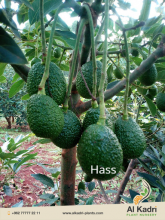
Hass: pear-shaped, rough skin, 140–400 g, creamy and rich flavor
Carmen Hass: improved Hass, higher yield by 15–50%, ripens 1–3 weeks earlier
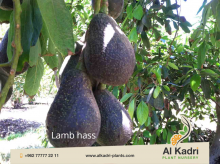
Lamb Hass: improved, higher yield, more heat and wind tolerant, larger fruits
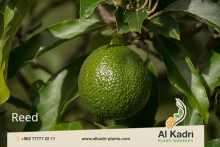
Reed: round fruits, medium to large (270–680 g), green skin, pulp does not darken after cutting
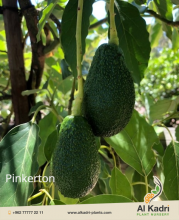
Pinkerton: pear-shaped, long neck, medium size (230–245 g), creamy pulp, excellent taste
Propagation Methods
Seed: for rootstock production, store seeds in sand or peat moss at 5°C
Grafted seedlings: grafting by eye or side graft about a month after seed sowing
Stem cuttings: taken from strong non-fruiting trees
Avocado Seed Planting Method
Carefully remove the seed and wash thoroughly
Suspend half the seed in water using toothpicks or sticks
Change water daily or every two days
When a small sprout emerges, plant half the seed in soil with the sprout above soil surface
Water gently without soaking