Ornamental Cacti and Succulents
Cacti are among the most diverse and rich plants
Some are fruit-bearing and some are ornamental
They have unique features to survive in harsh dry environments
They are easy to grow and require little care
Cacti are called so because they endure desert conditions
They survive heat, strong winds, and water scarcity
Leaves have transformed into spines to reduce water loss
Stems perform photosynthesis and store water
The original habitat of cacti is North and South America
Some are found in Caribbean islands
Cacti evolved 30-40 million years ago before continental separation
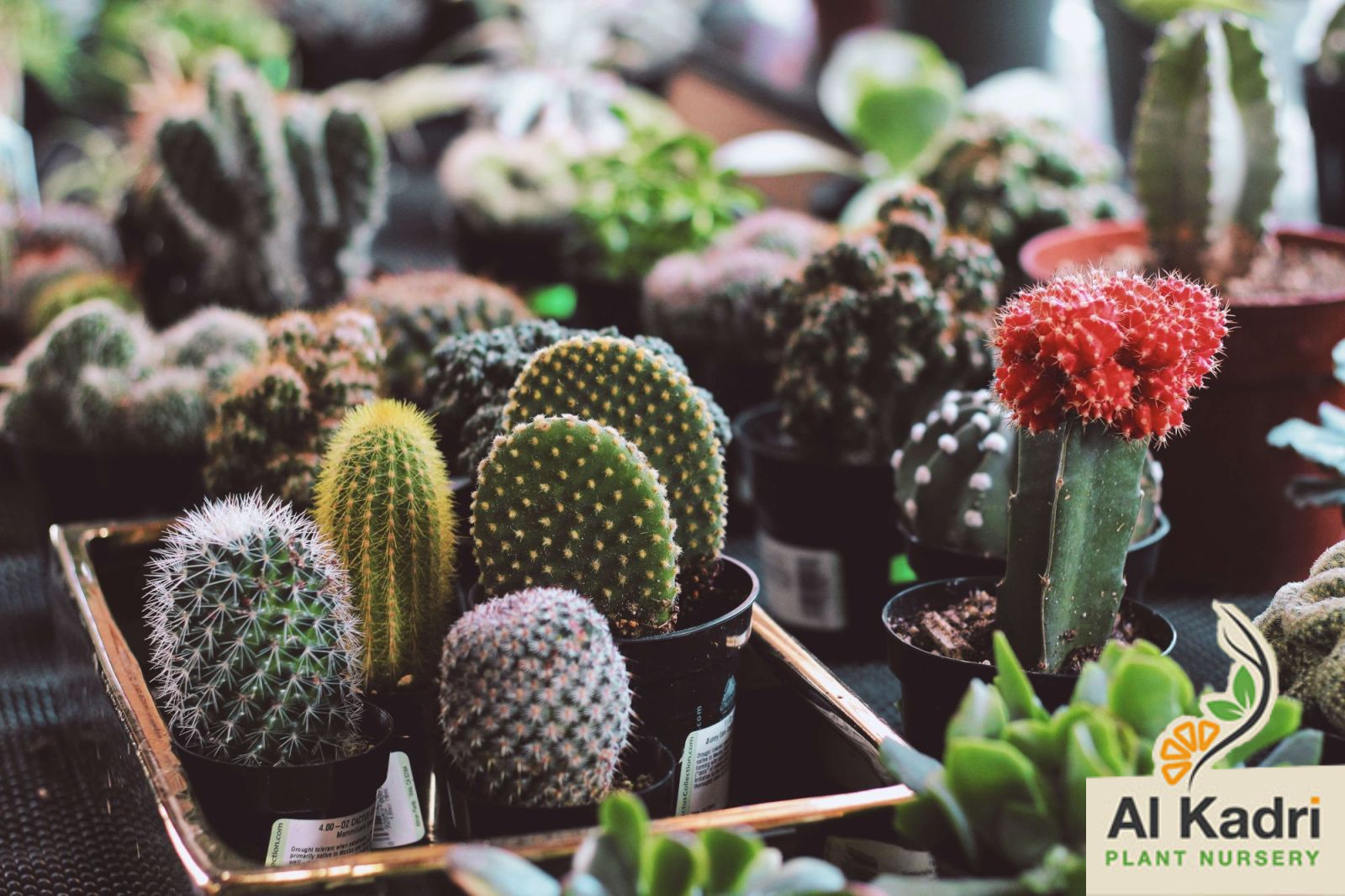
Cacti have beautiful and diverse shapes
They are used as ornamental plants for gardens, homes, and offices
They tolerate drought, grow slowly, and occupy little space
They are suitable for areas where other plants cannot grow
They are important for rock gardens and general landscaping
Cacti are easy to propagate and maintain with low cost
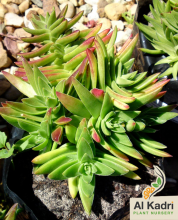
Succulents are similar to cacti but without spines
Their leaves store water and perform photosynthesis
They tolerate heat and drought
They do not need frequent watering or fertilization
Some prefer direct sunlight and some indirect light
They have adaptations like waxy leaves, hair covering, and rolled leaves
Succulents have beautiful shapes and some produce striking flowers
They are popular for decorating homes, offices, and gardens
Suitable Environmental Conditions
Cacti tolerate different climatic conditions
They can grow in hot or cold temperatures
They prefer light, well-drained soil
Some tolerate strong sunlight, others need partial shade
They are flexible for indoor and outdoor growing
Excessive sun in summer can damage some species
Cacti survive low temperatures but not prolonged freezing
Soil
Cacti roots are fibrous and shallow especially when young
They prefer light, well-drained soil
Mix peat moss with coarse sand in a 1:1 ratio
Add decomposed organic manure for fertility
Watering
Cacti store water in their stems and resist drought
Do not let them dry excessively to maintain beauty
Water according to temperature and sunlight exposure
Increase watering in high heat and direct sun
Reduce watering in shade or indirect light
In cold seasons, water most cacti once a month
Fertilization
Not essential but helps maintain growth and beauty
Cacti need nitrogen for growth, phosphorus for strong roots, potassium for spines and flowers
Use balanced fertilizer or treated organic manure
Propagation
Cuttings Most common method
Take a cutting, plant in light soil or sand, water lightly until rooted
Offsets or pups Some cacti produce side shoots
Separate and plant in another location
Seeds Some species produce flowers and seeds
Collect seeds for sexual propagation
Ornamental Cacti and Succulents Examples
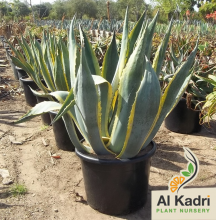
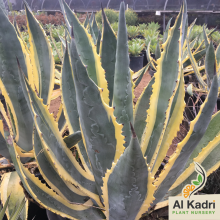
Agave Americana
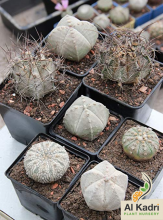
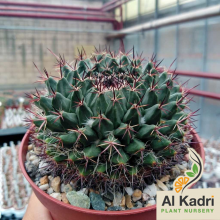
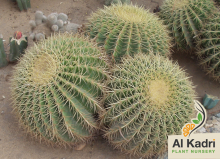
Echinocactus grusonii
Cereus hexagonus
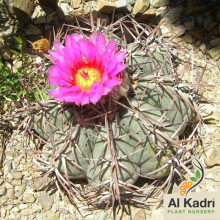
Echinocactus horizonthalonius
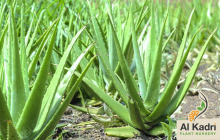
Aloe vera
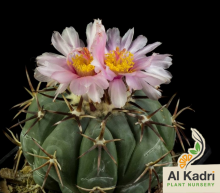
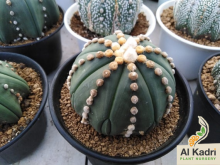
Astrophytum
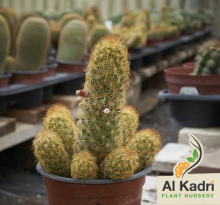
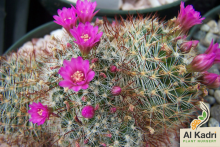
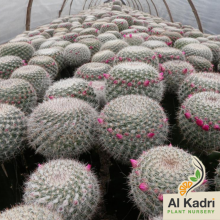
Mammillaria
Mammillaria elongata
Mammillaria gigantea
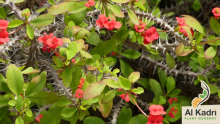
Euphorbia milii
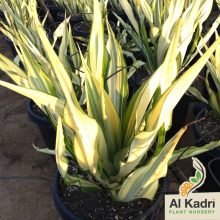
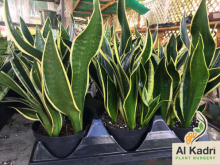
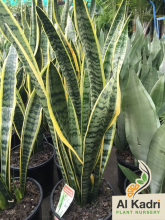
Sansevieria trifasciata
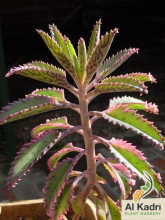
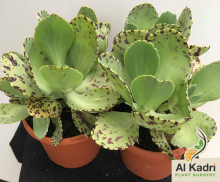
Kalanchoe marmorata
Furcraea gigantea
Kalanchoe daigremontiana
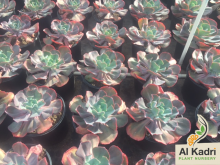
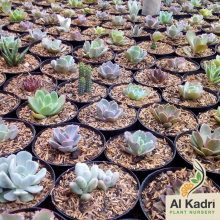
Echeveria hybrida
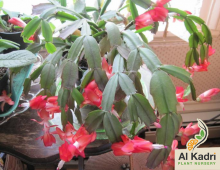
Epiphyllum truncatum
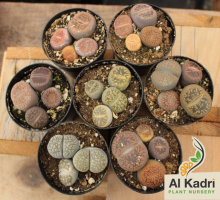
Lithops
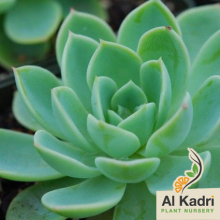
Echeveria
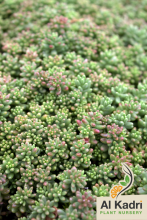
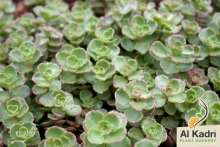
Sedum
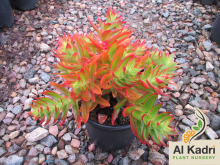
Crassula capitella
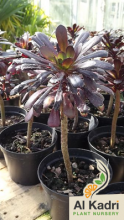
Aeonium arboreum
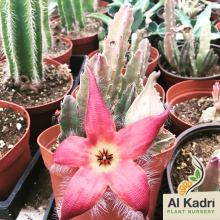
Stapelia
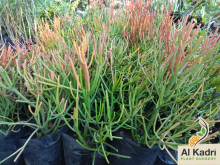
Euphorbia tirucalli
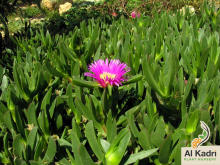
Carpobrotus edulis