Tree Description
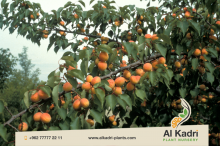
Apricot is a medium-sized fruit tree
Height ranges between 2 and 3 meters
Some old trees exceed 8 meters
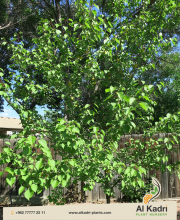
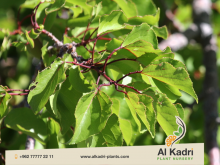
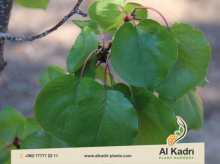
Leaves are heart-shaped with pointed tips
Leaf length reaches 10 cm
Width ranges from 3 to 4 cm
It is a stone fruit
Leaves fall in autumn
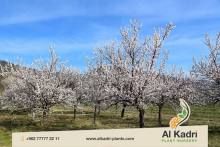
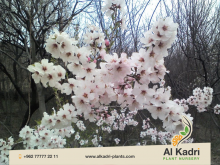
Flowers bloom in spring
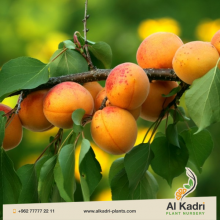
Fruits ripen in summer
Flowers are white with a pink tint
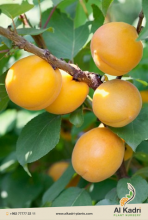
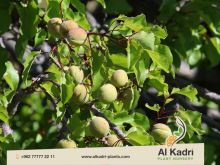
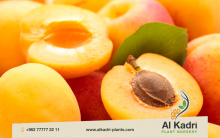
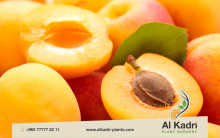
Fruits resemble peach and nectarine
Color is yellow or orange with a red blush
Each fruit has a single stone
Yield varies from tree to tree
Native to China
Nutritional Value
Apricot is rich in vitamins A and C
Contains beta-carotene and lycopene
Contains minerals like phosphorus and magnesium
Contains citric acid which supports digestion
Benefits include
Protecting the eyes and improving vision
Helps in anemia cases
Boosts the immune system
Prevents high cholesterol
Protects blood vessels
Prevents constipation and soothes the colon
Helps prevent prostate cancer
Cultivation Methods and Conditions
Suitable Climate
Apricot trees are sensitive to weather, especially during flowering
High temperatures after fruit set affect yield and fruit quality
High humidity increases fungal diseases
Lack of cold in autumn and winter delays bud break
Dormancy period is short compared to other stone fruits
Moderate regions are best for planting
Can grow in dry and hot regions if climate is suitable
Soil Requirements
Prefers deep clay or yellow clay soil
Free from salts and well-drained
Water Requirements
New trees need deep and regular watering during flowering and growth
Mulch around the tree away from the trunk
Helps retain water and prevents fruit bruising
Mature trees are watered deeply occasionally
Propagation
Best method is grafting
Ensures uniform trees in growth, flowering, and fruiting
Seedling grafting is done after winter cold period
Grafting methods include
Budding with a piece of wood
Cleft grafting before sap flow, but less preferred for apricot
Diseases
Physiological Diseases
Gummosis of apricot trees
Chlorosis of leaves
Gum spot disease on fruits
Control by improving drainage and soil quality
Use healthy grafting material
Chelated fertilizers and agricultural sulfur
Treat root rot if necessary
Moderate irrigation
Add boron if needed
Fungal Diseases
Root rots of apricot
Control with fungicides before planting
Remove and burn infected plants
Apricot rust
Control by removing infected plants and spraying copper compounds or fungicides
Shot hole of apricot
Control with copper, sulfur, and weed management
Die-back of branches
Sooty mold on trees
Brown rot of apricot fruits