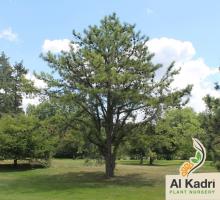
Description
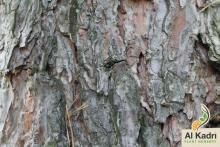
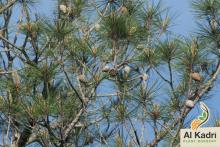
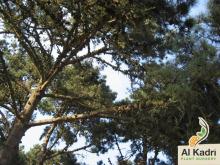
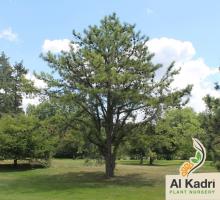
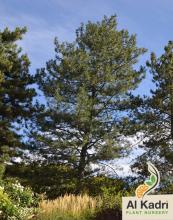
Pinus is an evergreen coniferous tree
It can reach a height of about 25 meters
It can be wild or cultivated
It is common in forests and large wild areas
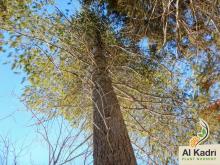
The tree is upright
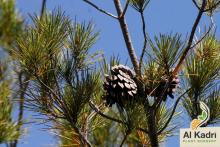
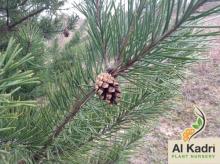
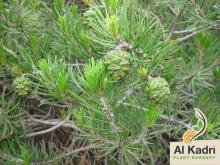
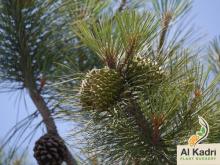
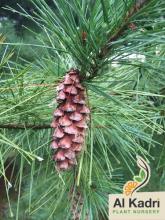
Leaves are thin needle-like in clusters
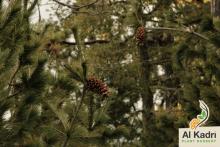
Cones are oval to conical
Pollination is by wind
Pollen spreads in spring
Scientific name
Pinus halepensis Miller
English name
Aleppo Pine
Family
Pinaceae
Nutritional value
Pine nuts are high in calories
100 grams provide about 673 calories
They contain vitamins antioxidants and minerals
Rich in monounsaturated fatty acids
Helps lower bad cholesterol and increase good cholesterol
Supports heart and artery health
Contains pinolenic acid that suppresses appetite
Rich in vitamin E for cell membrane protection
Gluten free
Contains B complex vitamins and folic acid
Contains minerals like manganese potassium calcium iron magnesium zinc selenium
Climate
Grows well in cold and temperate regions
Common in mountainous areas
Soil
Grows in rocky and sandy soils
Tolerates slightly acidic soil
Resistant to dry soils
Does not tolerate highly saline soils
Planting method
Soak seeds 24 hours in water at 4 to 5 degrees Celsius
Plant in soil mix 1 1 1 sand soil compost
Keep seedlings in nursery for one year
Transfer to permanent site
Pine trees bear seeds at age 12 to 15 years
Peak seed production occurs at 40 to 50 years
Average seed yield per hectare is 300 kg
Varieties
Aleppo Pine has soft yellowish wood
Used in general carpentry and paper pulp
Prota Pine has hard heavy wood
Used in carpentry telephone poles and paper pulp
Pine nut tree varieties include Turkish Chinese and local pine nuts