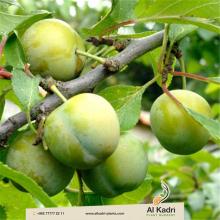
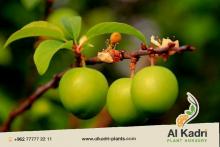
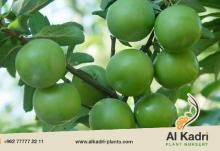
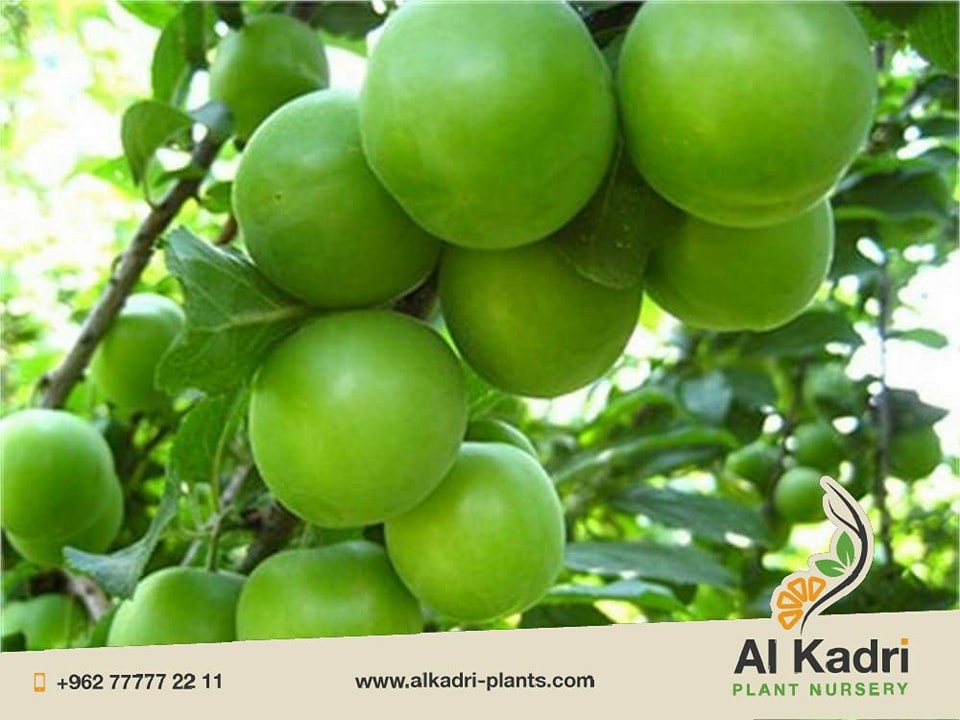
Tree Description
The tree is deciduous
It reaches a height of 6 to 8 meters
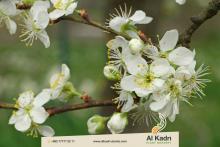
It blooms in spring
Flowers appear before the leaves
Harvesting takes place one to two months after flowering
It is considered an appetite stimulant before meals
And helps clean taste buds and teeth
It acts as a digestive aid after meals
Due to its content of fluids and simple organic acids
And salts that do not chemically react with the digestive tract
When consumed in small amounts
The name Janarak
Is said to have been given by the Turks
And it means balls
Janarak belongs to the stone fruit family
Including peach apricot and cherry
It has a sour taste that tends toward bitterness
And gradually becomes sweeter
As harvesting is delayed
Nutritional Value
Green peach or Janarak
Is a fruit rich in vitamin C
It contains a high amount of soluble fiber
Which helps improve bowel movement
It supports digestion
And provides many health benefits
Digestion
Consuming green peach increases fiber intake
Which improves digestion
It is recommended during the summer season
Preventing Constipation
Green peach is rich in vitamin C and fiber
Helping prevent constipation and bloating
Immune System Support
Regular consumption of green peach
Helps strengthen the immune system naturally
And maintains overall body vitality
Dental Care
Eating green peach helps maintain healthy gums
And supports strong and healthy teeth
It helps prevent tooth pain
Gum bleeding
And bad breath
Protection Against Anemia
Green peach helps the body absorb iron
Reducing the risk of anemia
Due to its high vitamin C content
Maintaining a Fit Body
Vitamin C in green peach
Supports connective tissues
And helps maintain a healthy and fit body
And many other benefits
Cultivation Methods and Conditions
Suitable Climate
Janarak trees prefer relatively cool regions
Most areas of Jordan are suitable for cultivation
The tree is resistant to low temperatures
And tolerant to drought and limited irrigation
It can be grown in rainfed
Low humidity areas
Suitable Soil
Janarak trees grow well in various soil types
From sandy to sandy clay soils
They generally prefer light
Fertile
Deep
And dry soil
The tree is drought tolerant
And can survive for many years in dry soil
Soil pH is not considered a limiting factor
Water Requirements
Janarak trees require low salinity water
To produce a good yield
High salinity reduces productivity
Lack of irrigation
Reduces fruit size
And affects flower bud formation
Severe drought
Negatively impacts the following season’s yield