Tree Description
Cherry is a summer fruit
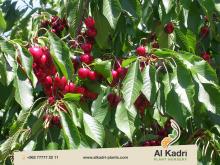
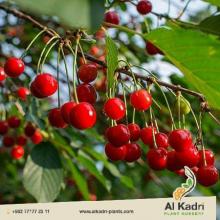
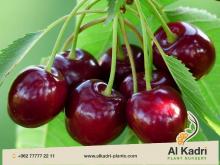
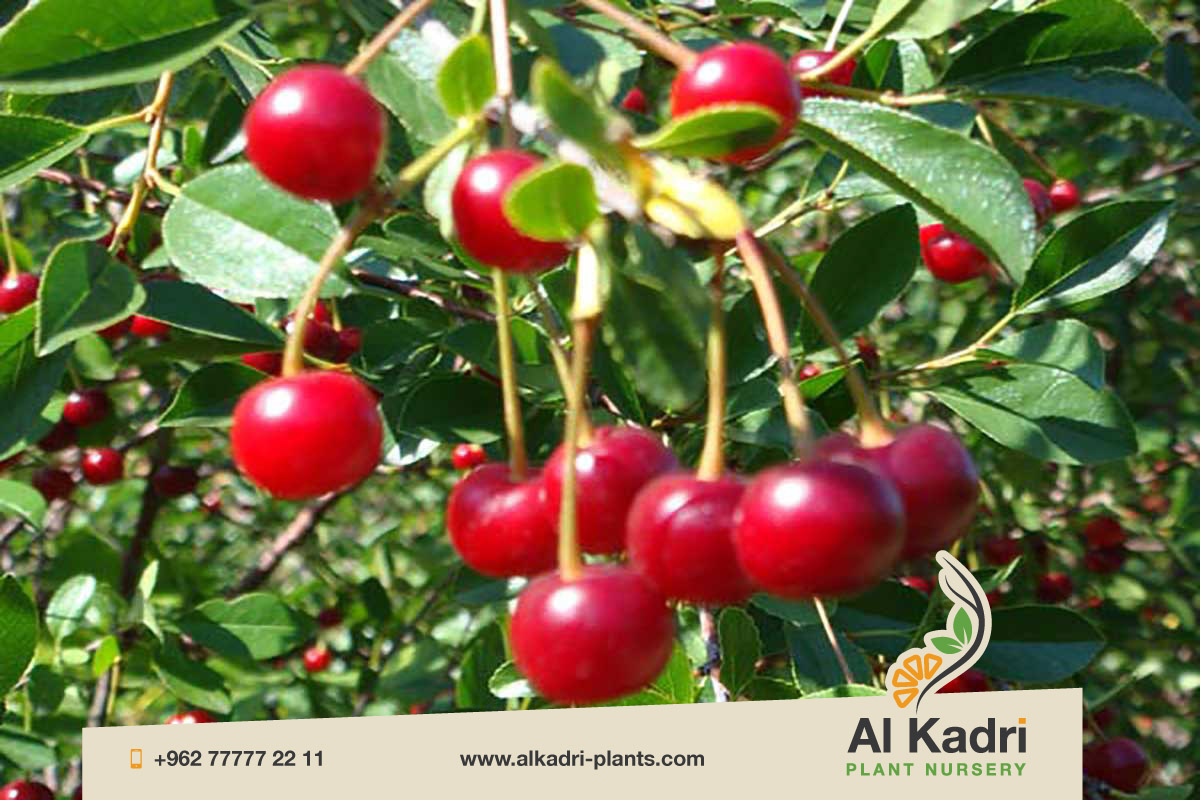
It is characterized by small red fruits
With a shiny skin
It has a delicious flavor
Preferred by many people
Cherry trees are known
For their abundant and heavy production
They are among the most cultivated trees
By farmers
Cherry can be grown at home
Due to its high productivity
Cherry cultivation is simple
And does not require much effort
Cherry trees are medium in height
Their height does not exceed ten meters
They are beautiful trees
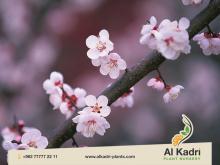
Especially during the flowering period
Flowering occurs in spring
Cherry fruits are healthy and beneficial
They are rich in nutrients
Such as vitamins
Minerals
And energy
They are also used
For medicinal purposes
To treat certain diseases
And health conditions
Nutritional Value
Cherry fruits contain vitamin C
They include malic acid
And tartaric acid
They contain salicylates
Which have anti-inflammatory properties
Cherry fruit content consists of
85 percent water
18 percent sugars
Approximately 1 percent acids
They help protect against
Various types of cancer
They protect body cells
From free radicals
Due to their high antioxidant content
They help regulate blood pressure
Because they contain potassium
Which helps remove excess sodium
From the body
They support heart health
They help prevent
Atherosclerosis
And sudden strokes
They help dissolve saturated fats
And regulate blood cholesterol levels
They contain anti-inflammatory compounds
Such as anthocyanins
And cyanidin
They help relieve migraines
They stimulate brain activity
They strengthen memory
They help prevent
Brain disorders
Such as Alzheimer’s disease
They strengthen the immune system
Due to their melatonin content
They contribute to weight loss
Because of their high water content
And low calorie level
They contain soluble fiber
That helps break down belly fat
They activate metabolism
They help treat indigestion
They help relieve arthritis
They reduce symptoms of gout
They help lower uric acid levels
By about 15 percent
When consuming 280 grams
Cultivation Methods and Conditions
Suitable Climate
Red cherry requires
Cold and dry climates
To prevent black mold formation
The most suitable growth period
Is early spring
When the weather is mild and dry
Red cherry belongs
To the stone fruit family
It does not require high humidity
It grows well in non-irrigated lands
Which increases fruit load
And cluster production
Suitable Soil
Cherry trees prefer
Loose and fertile soil
Well-drained
And low in moisture
They also grow successfully
In gravelly
And light soils
They do not tolerate
Heavy soils
Or soils with high moisture
And poor drainage
Which cause root suffocation
And rapid tree death
The presence of lime
Helps improve growth
Water Requirements
Irrigation needs depend
On the grafted rootstock
Sweet cherry is more tolerant
To drought
And less tolerant
To excess groundwater
Cherry trees generally succeed
In areas with
Moderate rainfall
Varieties
Black Tartarian
Trees are vigorous
Growth is upright
Young terminal leaves
Are red in color
Heavy fruit bearing
Fruits are large
Fleshy
Dark
And juicy
Early ripening
Considered a pollinator
For Napoleon
Bing
And Lambert varieties
Fruits do not tolerate
Long-distance shipping
Napoleon
The most widespread variety
Fruits are large
Yellow in color
Blushed with red
Tolerates long-distance shipping
Bing
The most tolerant variety
For shipping and marketing
Fruits are large
Tree is small
Growth is upright
To spreading
Fruits are dark red
Lambert
A hybrid between
Napoleon
And Black Heart
Sweet-flavored fruit
Heart-shaped
Red in color
Rainbow
Medium-sized tree
Medium-sized fruit
Yellowish-red in color
A longitudinal line appears on the fruit
As if dividing it into two halves
Bird Heart
Medium-sized fruit
Heart-shaped
Light red in color
Yellow flesh
Tree is vigorous in growth