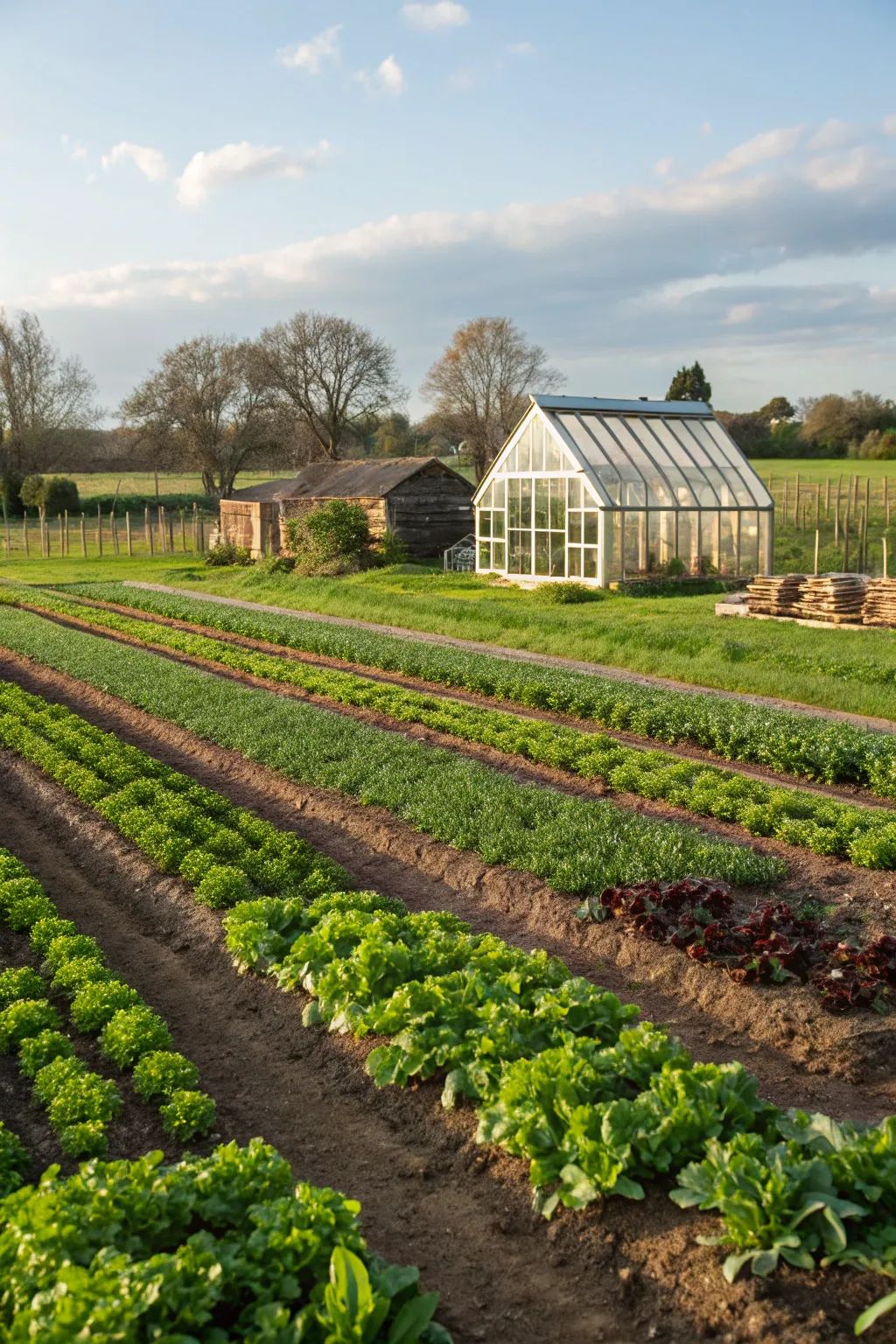
A farm requires a comprehensive care program to maintain trees, control pests, and achieve high-quality, abundant yields. The following is a complete farm care program
Soil Cleaning
Remove debris, large stones, and plant residues from the previous season
Plowing and Soil Preparation
Plowing is done at the beginning of winter (November) to turn and clean the soil, prepare it for rainfall, improve aeration, and remove weeds and harmful insects. Plow to a depth of approximately 10-20 cm
A shallow plowing in spring is recommended after fruit set to remove weeds, improve soil aeration, and prepare for irrigation and fertilization
Pruning
Conducted during dormancy (January 20 – early February). Remove broken or diseased branches away from the farm
Some vigorous-growing trees may need additional pruning during the growing season to control size and ensure sunlight and air reach the tree’s center
Irrigation
The farm requires regular irrigation during the growing season. Evergreen trees need reduced irrigation in winter, while deciduous trees gradually reduce irrigation approaching dormancy, then resume normal levels at the start of the growing season
Irrigation rates depend on farm location, tree age and variety, and weather conditions
Fertilization
Fertilization is essential for increasing yield and quality
In winter during the rainy season (November), apply well-rotted manure
Add organic, phosphate, and potassium fertilizers and mix the soil from mid-January to mid-February
Focus on nitrogen-rich fertilizers applied in three stages:
First dose: half the quantity in January, about one month before bud swell or flowering
Second dose: a quarter at fruit set
Third dose: the remaining quarter at fruit swell, ensuring irrigation after each nitrogen application
During fruit maturation, apply phosphate and potassium fertilizers in stages
Monitor for nutrient deficiencies and supply missing elements as needed
(Fertilizer rates may vary depending on farm type and crop)
Weeding
Remove weeds to prevent competition with trees and reduce pest and disease habitats
Limit weed growth by:
Avoiding poorly composted animal manure
Using drip irrigation
Preventing grazing animals from entering the orchard
Controlling weeds at the edges of the farm
Soil plowing
Pest Control and Spraying
Follow practices to reduce pest risk:
Remove weeds inside and around the orchard
Use well-composted manure to avoid transferring pests or weed seeds
Remove and burn infected branches
Collect and dispose of fallen fruits
Avoid over-irrigation and excessive nitrogen fertilization
Sanitize pruning tools between trees
Whitewash tree trunks in spring
Spray trees in winter dormancy (Jan 20 – Feb 10) with horticultural oil to eliminate eggs and dormant insects, and copper compounds to prevent fungal diseases
Inspect the orchard at least every two weeks to detect pest or fungal infections and spray as needed