Strawberry
Description
Herbaceous plant known as Fraise or Garden Strawberry
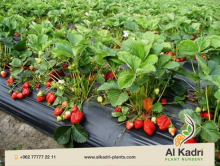
Perennial shrub spreading by horizontal runners
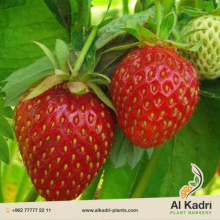
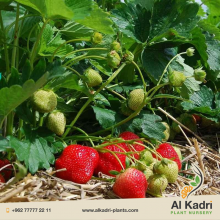
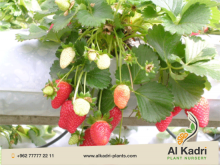
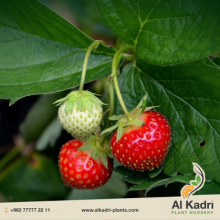
Fruits change color from green to white then pink and finally red
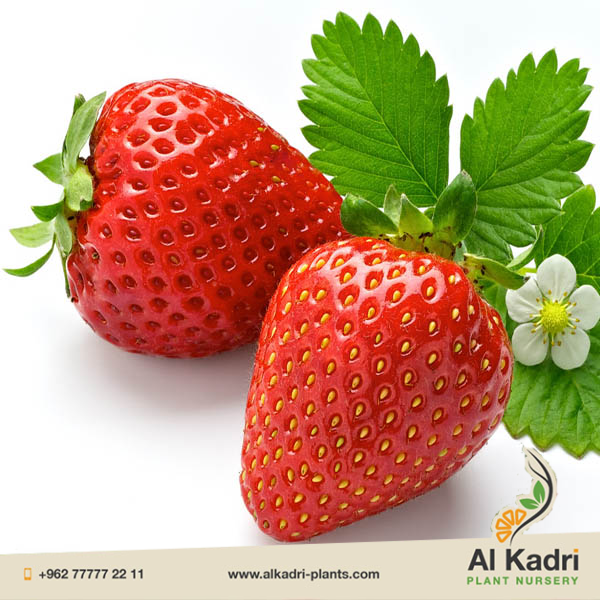
Fruit is aggregate with small seeds on fleshy receptacle
Leaves consist of three or more serrated leaflets
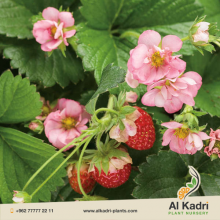
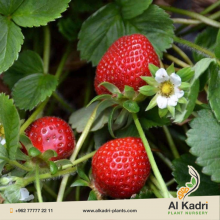
Flowers are white in racemose inflorescences
Fruit consists of fleshy receptacle and true fruits
Seeds per fruit range from 50 to 400
Pollination is insect and wind
Nutritional value
Rich in vitamin C and potassium
Contains niacin, iron, and riboflavin
High in carbohydrates, mainly fructose
Suitable for diabetics and for children and adults
Suitable conditions
Climate
Adapts to different temperatures
Vegetative growth ideal at 20-25°C
Flowering best at 15-17°C
Requires sufficient air and soil humidity
Light
Needs short day 9-12 hours
Excess light stops flowering and increases vegetative growth
Soil
Well-drained soil rich in compost
pH 6 - 6.5
Not suitable for heavy clay, poor sandy, or high lime soils
Irrigation
Requires large amounts of water
Prefer light frequent watering
Fertilization
Composted organic manure
Phosphorus and nitrogen (urea) as needed
Propagation methods
By seeds for new varieties
By runners for non-running varieties
By creeping runners for running varieties
In vitro via meristem culture or small cuttings
Pests
Insects: red spider, borers, leaf miners, whitefly, thrips
Viruses: leaf curl, yellow edge, leaf roll
Nematodes: cause stunted growth, yellow leaves
Fungal: verticillium wilt, root rot, gray mold, powdery mildew
Varieties
SENGA PRECOSANA: early, red, firm, suitable for open field and greenhouse
GORELLA: very early, large, juicy, good yield
SENGA GIGANA: early, high yield, large, juicy
SENGA SENGANA: high yield, dark red, firm, transport resistant
TAGO: late, large, shiny red, good firmness
SEQUOIA: very early, large conical, juicy, good yield
ALISO: early, large round, juicy, transport resistant