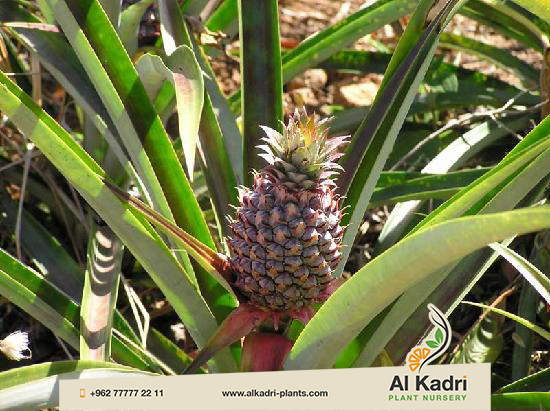
Pineapple
Description
Tropical fruit
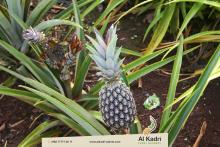
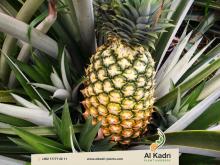
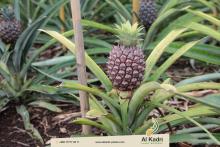
Pyramidal and distinctive
Sweet taste, can be juiced
Light yellow (lemon color)
Also called Pineapple Apple
Native to America
Grows in hot regions like Central Africa and equatorial forests
Perennial herb, monocotyledon
Mature height 90-140 cm
Diameter 130-150 cm
Leaves arranged circularly around stem
Leaves long, pointed, thick, succulent
Cuticle layer reduces water loss
Short spines on leaf edges
70-80 leaves per growth cycle
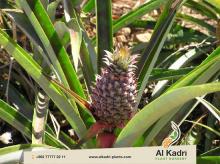
Flowers and fruits once per plant
Offsets grow for subsequent years
Nutritional value
High in sugar and vitamins
70% water, 20% sugar
Contains bromelain enzyme for digestion
Rich in phosphorus and iodine
Aids digestion
Fights colds
Quenches thirst and heat
Prevents arterial fat accumulation
Boosts liver function, combats jaundice
Bromelain enzymes used for burns
Suitable conditions
Climate
Tropical, warm, humid
Not suitable for cold regions
Optimal temperature: summer 32°C, winter 21°C
Needs full sun for fruit ripening
Drought-tolerant
Soil
Well-drained yellow soils
Reclaimed sandy soils suitable
Soil pH 4-5
High organic matter recommended
Irrigation
Drought-tolerant
Regular watering recommended for good growth and yield
Ensure good drainage in pots
Fertilization
Organic manure before planting
Balanced NPK fertilizer every two months
Increase fertilizer with plant age
Weeding and care
Remove weeds before and after planting
Support
Use wooden stakes, tie stems with cotton strings
Ripening and harvesting
Harvest when color changes from green to yellow
Ripening indicated by pigments (chlorophyll, anthocyanin)
Pack in suitable boxes for marketing
Propagation
Offsets: growth at base of stem
Suckers: side shoots on main stem
Crown: small leaves at fruit top
Side shoots under fruit planted in nursery
Common Varieties
Cayenne
Red Spanish
Queen Martitius
Cabazoni
Monte Lirio
Sugar loaf