Mango
Mango belongs to the Anacardiaceae family
Genus Mangifera has 11 species
Most species are not edible
The Indica type is the most important
It includes all common mango varieties
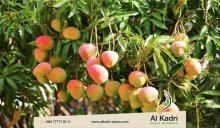
Mango is a tropical summer fruit
Grows in tropical and subtropical areas
It is an evergreen tree
Height and shape vary by variety and soil
Trees can reach 30 meters in deep fertile soil
Grafted trees in poor soil grow shorter about 15 meters
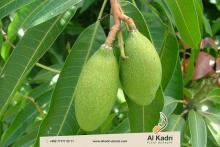
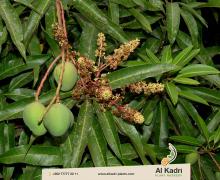
Leaves are lance-shaped and green
Young leaves may be purple or red
Leaves turn light green then dark green
Leaves take about two months to fully grow
Leaf lifespan is 4 to 5 years
Leaves have terpenes and photosynthesis activity varies with age
Mango fruit is rich in vitamin C
Vitamin C helps prevent many diseases including cancer
It lowers cholesterol and blood pressure
A 200 gram mango provides 56 mg vitamin C
Mango contains antioxidants to protect against cervical cancer
Contains carotene which converts to vitamin A
Vitamin A supports vision, skin health and immunity
A 200 gram mango provides 8000 IU vitamin A about 60% daily need
Mango grows in warm tropical and subtropical climates
Needs high temperature and no frost
Favorable areas have moderate soil moisture before flowering
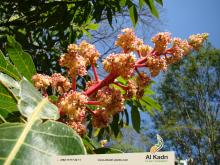
Rain during flowering reduces pollination
Wind and heavy rain can remove pollen
Fungal diseases may appear after rain
Mango grows in various soils
Best soils are deep sandy or loamy with good drainage
pH between 4.5 and 7 is ideal
Heavy clay soils are not suitable
Waterlogging damages roots and reduces growth
Watering is important for growth and fruit quality
Water requirements depend on climate soil age and tree size
Overwatering reduces fruit quality
Underwatering reduces growth and photosynthesis
Stop irrigation two months before flowering
Resume irrigation when fruits start to develop
Fertilize mango trees three times a year with nitrogen
Add organic fertilizers as needed
Adjust fertilization based on soil climate and tree age
Prune lightly to remove broken weak or diseased branches
Improves air and sunlight inside the tree
Mango propagation is sexual and vegetative
Sexual propagation is by seeds
Produces plants similar to parents or rootstocks for grafting
Single embryo seeds produce one plant
Multiple embryo seeds produce several plants like the mother
Vegetative propagation produces true-to-type plants
Includes grafting layering and cuttings
Vegetative plants flower in 3 to 4 years
Seed-grown plants flower in 8 to 10 years
To plant seeds choose healthy seeds
Remove the pulp and wash seeds
Plant before seeds dry in moist soil
Seeds germinate in about six weeks
Water daily in the first week
Water twice a week as seedlings grow
Fertilize three times during growth
Protect from pests and diseases
Mango seedlings take about six years to bear fruit
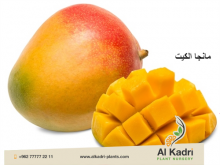
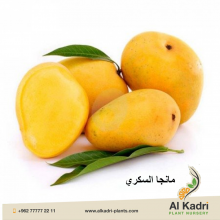
Common varieties include Keitt and Sukari
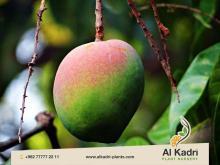
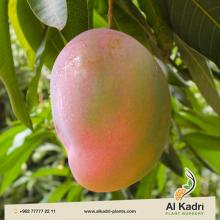
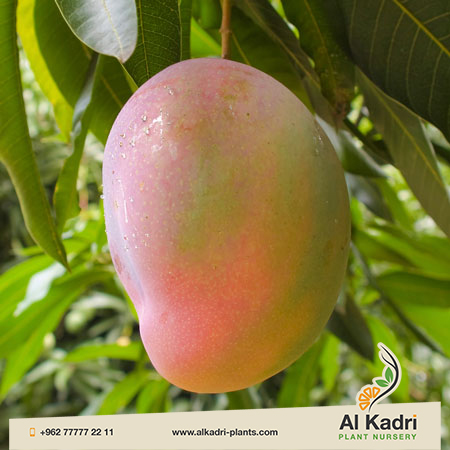
Keitt mango is oval with pink skin
Seed is small and flesh is fiber-free
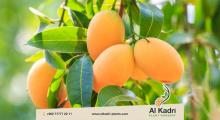
Sukari mango is sweet with yellow-orange skin
Flesh is soft and fiberless
Sukari tolerates heat and salinity
It produces fruit abundantly every year