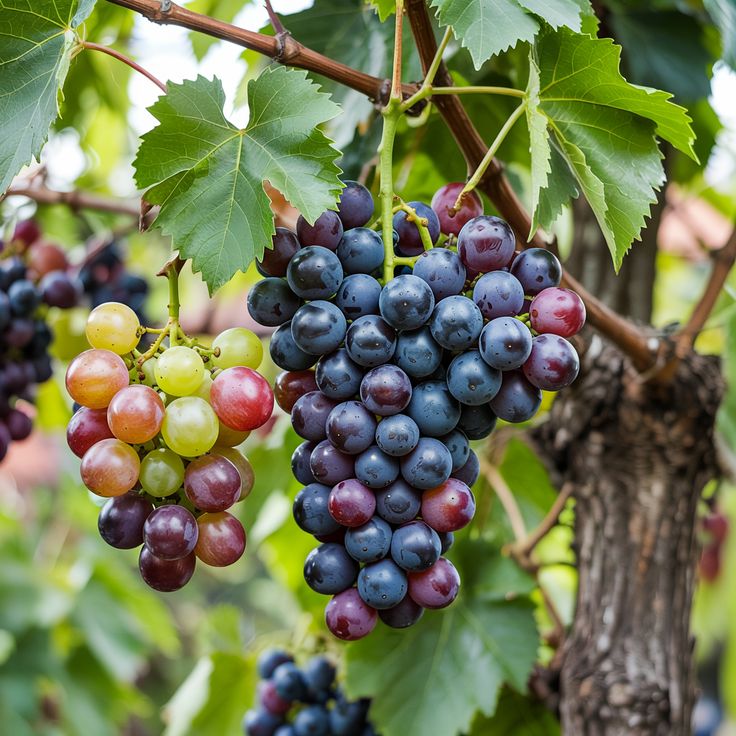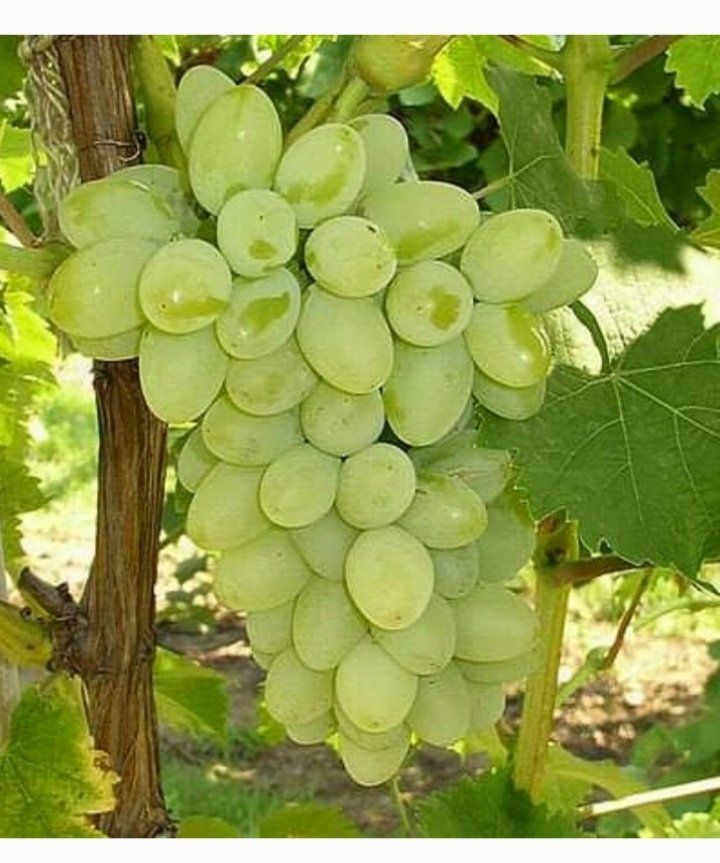
Description
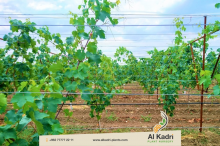
The grapevine is a perennial woody deciduous plant. Its scientific name is Vitis vinifera, and it belongs to the grape genus of the Vitaceae family. It originated in the Mediterranean Basin. It is characterized by a weak main stem that requires supports or trellises to grow properly; otherwise, it spreads along the ground. The stem grows rapidly and carries arms and branches on which vegetative parts and fruits develop. The grapevine is one of the most prominent features of home gardens in the Levant, providing shade and aesthetic value, in addition to its high agricultural importance due to the nutritional value of its fruits and their many uses such as fresh consumption, juice production, raisins, jams, and the use of its leaves in cooking.
Nutritional Value
Grapes are rich in natural sugars, vitamins A, B, C, and K, as well as antioxidants and dietary fiber. These components contribute to improving heart and blood vessel health, lowering cholesterol levels, preventing anemia, enhancing digestion, and helping to slow the signs of aging. However, grapes should be consumed in moderation because of their high calorie content.
Suitable Growing Conditions
Climate
Grapevines thrive in a Mediterranean climate characterized by moderately cold winters and hot, dry summers. They require a sufficient number of winter chilling hours depending on the variety. Planting in a sunny location is essential, as increased sunlight improves sugar accumulation in the fruits and enhances their overall quality.
Soil
Grapevines grow best in fertile, well-drained soils but can adapt to a wide range of soil types, including calcareous soils, and can tolerate moderate salinity. They should not be planted in poorly drained soils or soils with very high salinity.
Irrigation
Grapevines have moderate water requirements and show a relative tolerance to drought. Irrigation begins after pruning and continues throughout the growing season until the fruits approach ripening. Watering is then gradually reduced and stopped after harvest to prepare the plant for dormancy.
Fertilization
Fertilization depends on soil fertility and the age of the vine. Organic fertilizer is preferably added in autumn, along with balanced mineral fertilization. Nitrogen fertilizers should be applied carefully and in moderation, as excessive nitrogen can negatively affect fruit quality.
Pruning
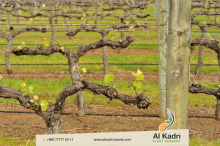
Training pruning is carried out during the early years to form a strong and well-structured vine. Winter pruning is done during dormancy to regulate yield and improve fruit quality. Summer pruning is performed during the growing season to control excessive vegetative growth and to improve air circulation and light penetration within the vine.
Propagation
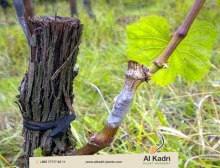
Propagation by seeds is mainly used for research purposes and is not common in commercial production. Vegetative propagation is the primary and most widely used method and includes cuttings, grafting, splicing, and layering.
Varieties
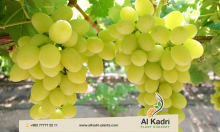
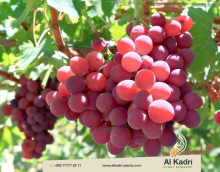
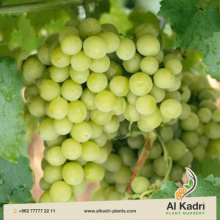
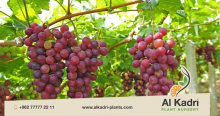
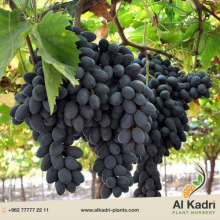
Common grape varieties include Baladi, Zeini, Halawani, Shami, Beiruti, Dabouqi, Superior, Thompson Seedless, Crimson, Flame Seedless, King Ruby, Summer Royal, and many other seeded and seedless varieties.